When to Plant Tulips for Spectacular Blooms

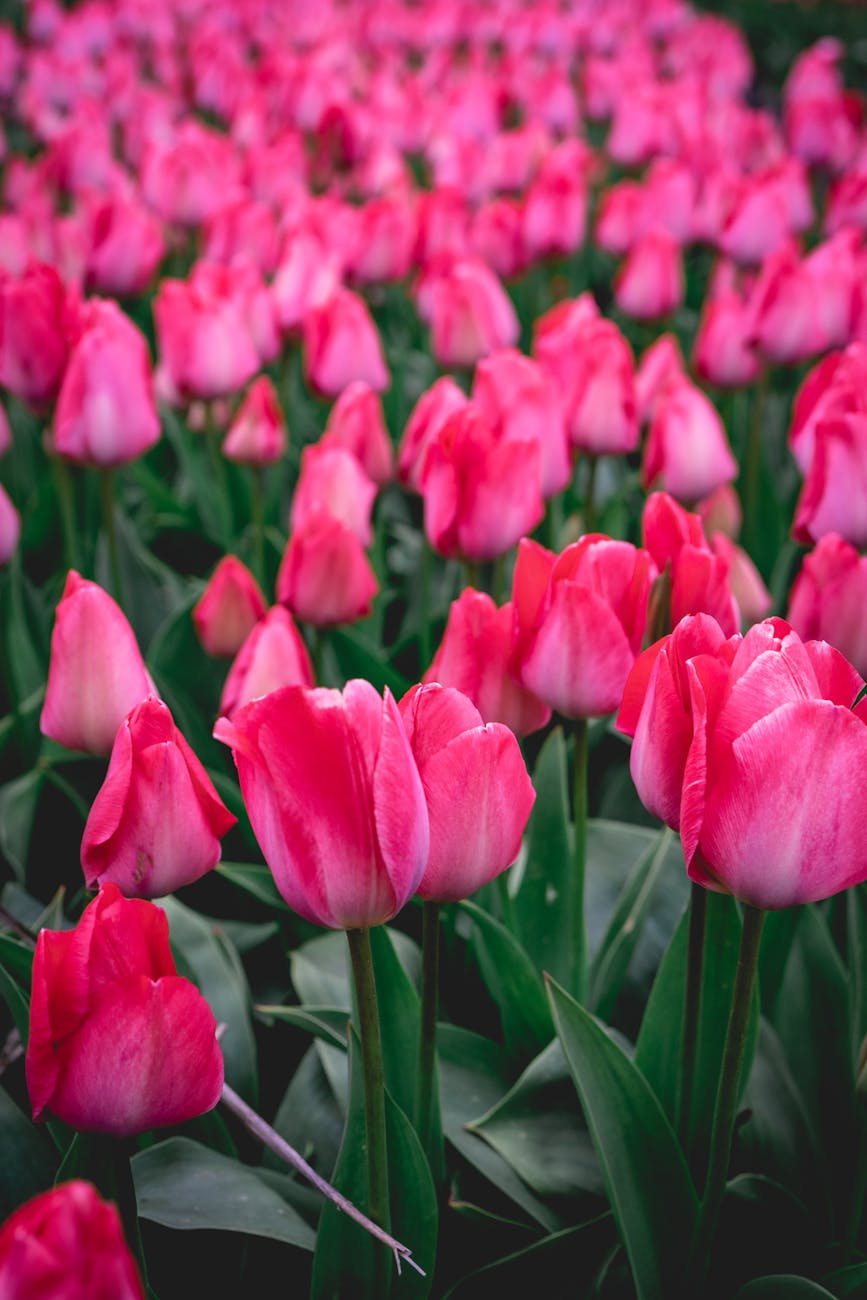
Photo by Sonny Vermeer on Pexels.com

Tulips are timeless classics in the world of gardening, known for their vibrant colors and elegant charm. But to enjoy their beauty, timing is everything. Here’s a guide on when to plant tulips for the best results.

The Ideal Time:
Tulips thrive when planted in the fall, typically between September and December. The best time is after the first frost but before the ground freezes solid. This gives the bulbs ample time to develop roots while remaining dormant above ground during the winter months.

Why Fall is Perfect:
Tulips need a cold period to prepare for blooming. Planting in the fall allows the bulbs to experience cold weather, which is crucial for flower formation. Additionally, the cooler temperatures prevent premature sprouting and help the bulbs settle comfortably into the soil.

Regional Considerations:

  • Northern climates: Start planting early fall (September to October).
  • Southern climates: Wait until late fall or even early winter. In regions without frosty winters, consider refrigerating tulip bulbs for 6–8 weeks before planting to simulate the cold period.

Pro Tips for Successful Planting:

  • Choose a well-drained location with plenty of sunlight.
  • Plant bulbs 6–8 inches deep and space them about 4–6 inches apart.
  • Water after planting to help establish roots, but avoid overwatering.

With tulips, patience truly pays off. Come spring, those carefully planted bulbs will burst forth with color, transforming your garden into a canvas of beauty. Whether you’re a seasoned gardener or a beginner, tulips are a rewarding choice that promises cheerful blooms to brighten your days. Happy planting!
Stop Aging! The Shocking Secret to Longevity Hiding in Your Pantry (It’s Not What You Think)

For decades, we’ve searched for the mythical fountain of youth, spending fortunes on fleeting trends. But what if the most powerful anti-aging tools were already in your kitchen, disguised as everyday staples?
The shocking truth is, the key to unlocking a longer, healthier, and more vibrant life is often found in the humble whole grain and the mighty seed. Science, especially from the world’s Blue Zones (where people live to be 100+), confirms these foods are non-negotiable for longevity.
Ready to discover why these ancient foods are the ultimate secret weapon against chronic disease and premature aging? Let’s dive into the science that’s shaking up the world of wellness.
The Longevity Goldmine: Beyond the Basics
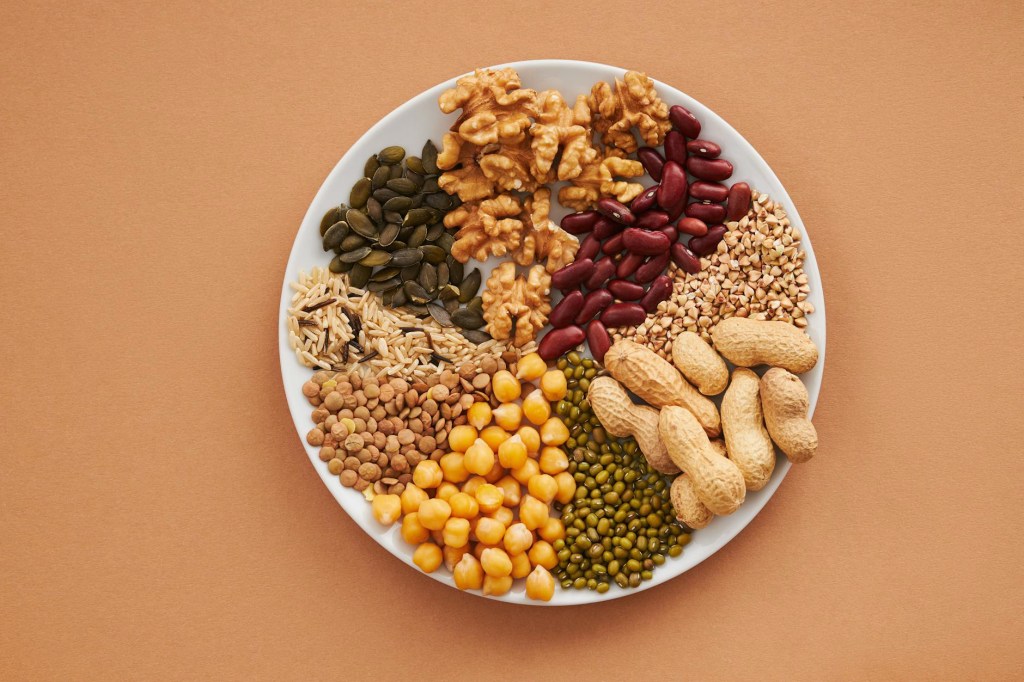
Whole grains (like oats, quinoa, brown rice, and barley) and seeds (think chia, flax, and pumpkin) are more than just “good carbs” or “healthy fats.” They are dense packets of bioactive compounds specifically engineered to support human health for the long haul.

  1. The Fiber Factor: Your Secret Anti-Inflammatory Shield
    Forget what you think you know about fiber. This isn’t just about digestion; it’s about life extension.
  • Gut Biome Booster: Fiber is the ultimate prebiotic, acting as food for the trillions of beneficial bacteria in your gut. A diverse, healthy gut biome is linked to lower levels of systemic inflammation—the very root of aging and chronic diseases like Alzheimer’s, heart disease, and Type 2 diabetes.
  • The “Clean Sweep”: Soluble fiber, especially in oats and barley, literally sweeps cholesterol out of your system, dramatically lowering your risk of cardiovascular disease.
  • Steady Energy: By slowing down the absorption of sugar, the fiber in whole grains helps you avoid the blood sugar spikes and crashes that contribute to weight gain and metabolic syndrome.
    The Longevity Insight: Studies consistently show that individuals with the highest fiber intake have a significantly reduced risk of death from all causes. Every 10-gram increase in daily fiber has been linked to a 10% cut in mortality risk.
    The Nutrient Superstars That Fight Aging
    When you eat a whole grain, you consume the bran, germ, and endosperm—the whole package. Refined grains throw away the most valuable parts, but the whole versions deliver nutrients that actively repair and protect your cells.
    Nutrient Powerhouse | Primary Benefit for Longevity | Found In Magnesium | Critical for over 300 enzyme reactions; regulates blood pressure and muscle function. | Quinoa, Pumpkin Seeds, Almonds, Oats
    Omega-3 Fatty Acids | Powerful anti-inflammatory and essential for brain and cognitive health. | Flax Seeds, Chia Seeds, Walnuts
    Phytochemicals & Antioxidants | Combat oxidative stress and cellular damage, slowing down the aging process. | All Whole Grains and Seeds
    B Vitamins | Essential for converting food into energy, supporting a healthy nervous system. | Whole Wheat, Brown Rice, Oats |
    Seeds like flax and chia are especially potent because their nutrients are so highly concentrated. A single spoonful can provide your daily dose of protective fatty acids and minerals.
    The Simple Swap That Changes Everything
    The final, often overlooked, secret is that by incorporating whole grains and seeds, you are simultaneously displacing refined, processed foods.
    Replacing refined white flour, sugary cereals, and high-fat snacks with a bowl of whole oats, a serving of quinoa, or a handful of nuts is the most powerful dietary tool you have. You aren’t just adding healthy food; you’re removing inflammatory triggers.
    The Blue Zones secret isn’t magic; it’s consistency. The centenarians in these regions make beans, legumes, whole grains, and nuts/seeds the foundation of every meal.
    Your 3-Step Longevity Action Plan
  • Switch to Whole-Grain Breakfast: Ditch the high-sugar cereal. Start your day with oatmeal (steel-cut or rolled) and stir in a spoonful of chia or flax seeds.
  • Make Grains the Main Event: Treat grains like quinoa, farro, or brown rice as the primary component of your lunch or dinner bowl, pairing them with fresh vegetables and legumes.
  • Snack on Seeds: Keep a mix of walnuts, almonds, and pumpkin seeds handy. A small handful daily is a potent dose of anti-aging fats and minerals.
    Stop searching for a complicated cure for aging. The answer is simple, affordable, and incredibly effective. The path to a longer, healthier life starts with what’s in your bowl.
    What is one whole grain or seed you plan to add to your diet starting tomorrow? Share your plan in the comments!

Beyond the A1c: How Doctors Really Measure Insulin Resistance

Beyond the A1c: How Doctors Measure Insulin Resistance and What the Future Holds
We often hear about diabetes, blood sugar, and A1c tests. But what about the condition that often precedes type 2 diabetes—insulin resistance? It’s a key factor in metabolic health, and while it doesn’t always have obvious symptoms, doctors have a few ways to measure it. Understanding how this is done, and what’s on the horizon, is crucial for proactive health management.
The “Gold Standard” and Simpler Solutions
The concept of insulin resistance is straightforward: your body’s cells don’t respond as well to the hormone insulin, which is responsible for moving glucose (sugar) from your blood into your cells for energy. To compensate, your pancreas works overtime, producing more and more insulin. For a while, this keeps blood glucose levels in a healthy range, but over time, the pancreas can’t keep up, leading to prediabetes and eventually, type 2 diabetes.
So, how do doctors measure this?

  • The Euglycemic-Hyperinsulinemic Clamp: Considered the “gold standard” for measuring insulin resistance, this procedure is complex and primarily used in research settings. It involves infusing both insulin and glucose into a patient’s bloodstream. The insulin infusion is at a constant, high rate to saturate the body’s insulin receptors. At the same time, glucose is infused at a variable rate to keep blood glucose levels stable (euglycemic). The amount of glucose needed to maintain this stable level is a direct measure of insulin sensitivity. A higher glucose infusion rate means the body is more sensitive to insulin, while a lower rate indicates resistance.
  • The HOMA-IR Test: For a more practical clinical approach, doctors often rely on the Homeostatic Model Assessment of Insulin Resistance (HOMA-IR). This is a simple, non-invasive blood test that requires a single blood draw after an overnight fast. The HOMA-IR test uses a formula to calculate an insulin resistance score based on your fasting blood glucose and fasting insulin levels. While it’s an estimation and not as precise as the clamp method, it provides a valuable and widely used tool for identifying individuals at risk. A HOMA-IR score above a certain threshold suggests insulin resistance.
  • Other Clinical Indicators: In addition to blood tests, doctors also look for other clinical signs. These can include a large waist circumference, high blood pressure, and a lipid panel showing high triglycerides. These are all part of a cluster of conditions known as metabolic syndrome, which is closely linked to insulin resistance.
    The Future of Insulin Resistance Measurement
    While current methods are effective, the future of measuring insulin resistance is focused on making it more accessible, continuous, and predictive. The goal is to move beyond a single snapshot in time to a more dynamic understanding of a person’s metabolic health.
  • Continuous Glucose Monitoring (CGM) and Beyond: Continuous glucose monitors are already a game-changer for people with diabetes, but their use is expanding. By providing real-time glucose data, CGMs can help reveal how different foods, exercise, and stress impact blood sugar levels. This data can be analyzed to provide clues about insulin resistance patterns. The next frontier is the development of continuous insulin monitors, which, when combined with CGMs, would offer a complete, real-time picture of the body’s glucose and insulin dynamics.
  • AI and Wearable Technology: The integration of artificial intelligence (AI) and data from wearable devices is poised to revolutionize how we detect and monitor insulin resistance. AI models are being developed that can analyze data from smartwatches, including heart rate, sleep patterns, and physical activity, along with routine blood biomarkers like fasting glucose. These models can predict insulin resistance with impressive accuracy, offering a minimally invasive and accessible way to screen at-risk individuals and provide personalized, proactive health recommendations.
  • The “Artificial Pancreas”: While this is primarily a tool for managing type 1 diabetes, the technology behind it—an algorithm that uses CGM data to control an insulin pump—is a glimpse into the future. By creating a closed-loop system that can precisely dose insulin, we are learning more about how to mimic the body’s natural processes. This research could lead to new ways of managing and even reversing insulin resistance in its early stages.
    The ability to accurately measure and understand insulin resistance is critical for preventing chronic diseases. As technology evolves, we are moving toward a future where we can detect these metabolic issues earlier than ever before, empowering us to make lifestyle changes that can improve our health and quality of life. The A1c may be the headline, but understanding the story of insulin resistance is the key to writing a healthier future.

Does Testosterone Turn Into Estrogen When You Stop Lifting?

This is a common question, and the answer is not a simple “yes” or “no.” The relationship between testosterone, exercise, and estrogen is complex. Here’s a breakdown of how it works:
The Conversion of Testosterone to Estrogen

  • Aromatase: The key player in this process is an enzyme called aromatase. This enzyme is responsible for converting a portion of testosterone into a type of estrogen called estradiol. This conversion is a normal and necessary biological process for men. Estrogen is important for male health, playing roles in bone density, cardiovascular health, and even libido.
  • More Testosterone, More Estrogen: In a healthy man, higher testosterone levels generally lead to a corresponding increase in estrogen levels because there is more testosterone available to be converted by the aromatase enzyme.
  • Body Fat and Aromatase: A significant factor in this conversion is body fat. Adipose tissue (fat) is a major site of aromatase activity. This means that men with higher body fat percentages tend to have higher aromatase activity and, consequently, a higher rate of testosterone converting to estrogen.
    How Exercise and Stopping Exercise Affect This
  • Working out:
  • Increases Testosterone (Temporarily): Intense exercise, particularly resistance training (lifting weights), causes a temporary increase in testosterone levels. This is a normal and healthy response.
  • Reduces Body Fat: Regular exercise, combined with a healthy diet, helps to reduce overall body fat. As mentioned, less body fat means less aromatase activity, which can help to keep estrogen levels in a healthy balance.
  • Overall Effect: The combined effect of working out is typically a transient boost in testosterone and a reduction in the primary site of estrogen conversion, leading to a generally favorable hormonal profile.
  • Stopping working out:
  • Testosterone Levels Drop: When a man stops exercising, his testosterone levels will naturally return to their pre-exercise baseline. This is a normal physiological response.
  • Potential for Estrogen to Increase: The issue isn’t that testosterone “turns into” estrogen after you stop working out. The potential problem is that if you stop exercising and your lifestyle becomes sedentary, you may gain body fat. As your body fat percentage increases, so does the activity of the aromatase enzyme. This can lead to a greater proportion of your testosterone being converted into estrogen, potentially throwing off your hormone balance.
    Summary
    The idea that stopping a workout routine directly converts testosterone into estrogen is a misconception. The real relationship is more nuanced:
  • Exercise helps maintain a healthy balance by boosting testosterone and reducing body fat (where the conversion happens).
  • Stopping exercise doesn’t “trigger” a conversion, but a sedentary lifestyle that leads to an increase in body fat can increase the amount of testosterone that is converted to estrogen.
    Therefore, the key is not just about the act of stopping exercise, but the lifestyle changes that often accompany it. Maintaining a healthy body weight and avoiding a significant increase in body fat are crucial for keeping your hormones in a healthy range.

🫒 Black Olives: The Unsung Heroes of Longevity and Cancer Prevention


In the world of superfoods, black olives rarely steal the spotlight. Yet these glossy little fruits—often tucked into Mediterranean dishes or perched atop pizzas—carry a nutritional legacy that deserves center stage. Beyond their savory charm, black olives are packed with compounds that may help fight cancer and support a longer, healthier life.

🌿 The Antioxidant Arsenal

Black olives are rich in antioxidants like polyphenols, flavonoids, and vitamin E. One standout is hydroxytyrosol, a potent compound shown to neutralize free radicals and reduce oxidative stress—a key contributor to cancer development A. These antioxidants don’t just protect cells from damage; they also help regulate inflammation, which plays a role in aging and chronic disease.

🧬 Cancer-Fighting Compounds

Scientific studies have linked olive-derived compounds to anti-cancer activity. For example:

  • Oleuropein may inhibit the growth of breast cancer cells and trigger apoptosis (programmed cell death) in colon cancer cells B.
  • Hydroxytyrosol has shown promise in reducing the proliferation of prostate cancer cells B.

These findings suggest that black olives aren’t just tasty—they’re biologically active allies in the fight against cancer.

❤️ Heart Health = Longevity

Longevity isn’t just about avoiding disease—it’s about nurturing the systems that keep us thriving. Black olives are rich in monounsaturated fats, especially oleic acid, which helps lower bad cholesterol and reduce inflammation. A healthy heart means better circulation, improved brain function, and a lower risk of age-related decline.

🧠 Brain Boost & Aging Gracefully

Vitamin E, found in black olives, is known for its neuroprotective effects. It helps preserve cognitive function and may reduce the risk of neurodegenerative diseases like Alzheimer’s. Combined with magnesium and iron, which support nerve and oxygen transport, black olives quietly contribute to graceful aging.

🥗 How to Add Them to Your Life

  • Toss them into salads with leafy greens and citrus.
  • Blend them into tapenade for a savory spread.
  • Add them to grain bowls or roasted veggie dishes.
  • Snack on them straight from the jar—guilt-free and delicious.

✨ Final Thought

Black olives may be small, but their impact is mighty. With their blend of antioxidants, healthy fats, and cancer-fighting compounds, they offer a flavorful path to wellness. So next time you reach for a snack, consider the humble black olive—not just as a treat, but as a tribute to longevity.


🌿 The Power of Tea Tree Oil: Nature’s Tiny Bottle of Healing


In the world of natural remedies, few ingredients have earned the cult status that tea tree oil enjoys. Extracted from the leaves of Melaleuca alternifolia, a plant native to Australia, this essential oil has been used for centuries by Aboriginal communities for its potent healing properties. Today, it’s a staple in skincare, haircare, and even household products—and for good reason.

Let’s dive into the many benefits of tea tree oil and why it deserves a spot in your wellness toolkit.


✨ 1. Acne’s Natural Nemesis

Tea tree oil is best known for its ability to combat acne. Thanks to its antibacterial and anti-inflammatory properties, it helps reduce redness, swelling, and the bacteria that cause breakouts. Studies have shown it can be as effective as benzoyl peroxide, but with fewer side effects like dryness or irritation A.

How to use: Mix a drop with a carrier oil (like jojoba or coconut) and dab it on blemishes.


🧼 2. A Natural Hand Sanitizer

Tea tree oil’s germ-fighting abilities make it a powerful ingredient in DIY hand sanitizers. It’s been shown to kill common bacteria and viruses, including E. coli and S. pneumoniae A.

DIY tip: Combine aloe vera gel, rubbing alcohol, and a few drops of tea tree oil for a homemade sanitizer.


🦟 3. Insect Repellent That Smells Divine

Move over, DEET. Tea tree oil has shown promise as a mosquito repellent and can even help keep ants and flies at bay A. Bonus: it smells way better than chemical sprays.

Use it: Add to a spray bottle with water and spritz around windows or on skin (diluted!).


👃 4. Breathe Easier with Respiratory Relief

Its expectorant properties make tea tree oil a helpful ally during cold season. It can ease congestion and soothe coughs when used in steam inhalation.

Steam it: Add a few drops to hot water, cover your head with a towel, and inhale deeply.


💪 5. Muscle Soother & Anti-Inflammatory Hero

Terpinen-4-ol, one of tea tree oil’s key compounds, has strong anti-inflammatory effects. It’s great for easing muscle pain, arthritis discomfort, or post-workout soreness B.

Massage blend: Mix with a carrier oil and rub into sore areas.


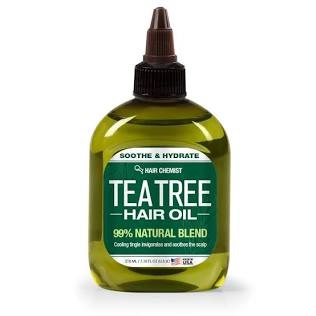
🧴 6. Scalp Savior

Dandruff? Itchy scalp? Tea tree oil’s antifungal properties help tackle the root causes of these.

Motivation by Desire

What motivates you?

I think life could get boring. Routine after routine, you do something eh people all in your grill like you mining gold. You definitely have to have a thick skin while dealing with society. People that are good looking have it the worst, it seems like they always have to roll with the punches! 🥊

Life if amazing though, when I meet one sour apple, I ALWAYS meet someone that makes up for them. Many times it’s like 3 make up for that one effed one but it’s great because it makes me know that not everyone is the same!

At the end of the day…

Don’t let people change you.

💡 The Future of AI in Relationships: Connection in the Age of Code


As artificial intelligence weaves itself deeper into the fabric of daily life, one of the most fascinating—and controversial—frontiers is emotional intimacy. Can code mimic connection? Should we allow machines to co-author our love stories? And perhaps most importantly: What does this mean for the way we love each other?

🤖 From Assistants to Companions

Today’s AI helps us text faster, pick better dating profiles, and even flirt through predictive messaging. But tomorrow’s AI may go beyond convenience. Imagine:

  • Empathetic AI companions that learn your emotional rhythms, anticipating when you need comfort or space.
  • Relationship coaches powered by conversational AI, offering real-time feedback to help couples navigate conflict.
  • Memory interfaces that track shared experiences and serve as digital scrapbooks, reigniting emotional resonance with a simple prompt.

❤️ Synthetic Emotions vs. Authentic Connection

The real tension lies not in capability but in authenticity. If an AI “says” it loves you, but that emotion is scripted by algorithms—does it count? Some futurists argue that emotional connection is based more on perception than biological origin. Others see AI as a helpful third party, not a replacement: a mirror to reflect, not replace, human depth.

🧠 Love in the Age of Self-Optimization

AI is already helping people become better communicators:

  • Analyzing tone and intent in messages to reduce misinterpretation.
  • Suggesting conflict-resolution phrasing based on personality types.
  • Recommending habits and rituals for relationship health, such as gratitude journaling or micro check-ins.

These interventions don’t make us less human. In some cases, they may enhance our ability to connect—with ourselves and others.

🌍 The Rise of Hybrid Relationships

In the coming years, we may see relationships that blend physical and digital companions. Think:

  • Augmented reality partners who appear only when you need emotional support.
  • AI co-parenting advisors to help navigate parenting styles and development stages.
  • Digital love languages, where intimacy is expressed through code, visuals, and shared algorithms.

What emerges isn’t a dystopia—it’s a new language of love, shaped by the tools we invent.


Final Thought:
AI may not replicate the mystery of love, but it can help us understand it. The future isn’t about replacing human connection—it’s about designing technologies that honor it, amplify it, and maybe even challenge us to love more consciously.


A Drama-Free Blueprint for a Sustainable Relationship

Living in harmony doesn’t mean sidestepping every disagreement—it means building a foundation where respect and understanding guide you through life’s ups and downs. A sustainable relationship grows stronger when both partners contribute intentionally and care for each other’s well-being. Here’s a clever roadmap to keep love flourishing without the theatrics.


Embrace Open Communication

A drama-free partnership hinges on honest, compassionate dialogue. Schedule regular check-ins where you share wins, concerns, and even the little annoyances before they balloon. Listen fully—ask clarifying questions and reflect back what you hear. This practice turns potential misunderstandings into opportunities for deeper connection.


Establish Shared Rituals

Rituals anchor you in togetherness and create daily moments of joy.

  • A morning coffee ritual where you plan your day side by side
  • A weekly “walk and talk” to air out emotions while moving
  • A monthly date-night menu swap to explore new cuisines

These predictable touchpoints foster security and give you both something delightful to anticipate.


Prioritize Emotional Self-Care

Sustainable love starts with two healthy individuals. Carving out time for self-reflection, journaling, or meditation replenishes your emotional reserves. When you understand your triggers and needs, you show up as your best self. That clarity reduces reactive outbursts and cultivates mutual support.


Navigate Conflict with Grace

Conflict is inevitable—but drama is optional. When tensions rise:

  1. Pause and take a collective breath
  2. Use “I” statements (“I feel…”) to own your perspective
  3. Seek a solution rather than assign blame

Approaching disagreements as joint problem-solving sessions keeps the focus on your partnership instead of individual ego battles.


Foster Mutual Growth

A relationship that endures is one that evolves. Set shared goals—like learning a new hobby together, volunteering, or saving for a trip—and celebrate every milestone. Encourage each other’s passions and applaud solo achievements. When both partners feel supported to grow, the bond becomes an engine for personal and shared fulfillment.


Call to Action

Pick one strategy and try it this week—then share your experience in the comments below!

Are there things you try to practice daily to live a more sustainable lifestyle?

What Makes a Teacher Great

Great teachers do more than deliver lessons. They light a spark in every student’s curiosity and foster a classroom culture where questions are celebrated. Their influence extends far beyond grades, shaping students into confident thinkers and lifelong learners. When you look back on school, it’s the great teachers who continue to inspire.


Genuine Passion for Learning

A great teacher lives and breathes their subject. They stay curious, bring fresh insights into lessons, and model the joy of discovery. Whether it’s sharing a personal anecdote or recommending a podcast, they make learning feel alive. Students can’t help but catch that enthusiasm and dive deeper on their own.


Empathy and Connection

Understanding each student’s strengths, struggles, and ambitions sets top teachers apart. They create a safe space for vulnerability, where mistakes aren’t failures but stepping stones. By tuning into individual needs, they adapt their approach and build trust. When students feel seen, they engage more fully and believe in their own potential.


Creativity in the Classroom

Great teachers transform routine topics into memorable experiences. They use storytelling, role-plays, or project-based challenges to bring concepts to life. This creative energy keeps students excited and invested. It also invites different learning styles to shine, ensuring no one gets left behind.


High Expectations Paired with Support

The best teachers push students to reach higher while offering a safety net of guidance. They set clear, ambitious goals and provide the tools needed to achieve them—whether that’s extra resources, one-on-one check-ins, or constructive feedback. This blend of challenge and care fuels growth and self-confidence.


Lifelong Inspiration

A great teacher’s impact echoes well past graduation. They encourage critical thinking, ignite passions, and model resilience. Students carry their lessons into careers, relationships, and personal growth. In that sense, a truly great teacher never really “retires”—their influence lives on in every success story they helped write.


Share a story about a teacher who changed your life and tag them to show your appreciation!

What makes a teacher great?