Background
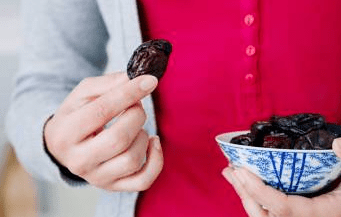
Prunes are made from European plums (Prunus domestica), which have a high sugar content that allows them to dry without fermenting around the pit. The history of prune cultivation dates back to the Spanish missions in California, where European plums were initially grown2. The commercial production of prunes in California began in the mid-19th century, with the introduction of the “Prune d’Agen” variety from France. Over time, prune production expanded, and California became the leading producer of prunes2.
Prune trees thrive in well-drained loamy soil and require specific temperature ranges for optimal growth. They are hardy in USDA zones 4a to 9b, meaning they can tolerate a wide range of climates3. Proper temperature management is crucial, as late frosts can damage blossoms and reduce yields.
Where do Prunes grow?
Prunes, also known as dried plums, are primarily grown in regions with temperate climates that provide the ideal conditions for their cultivation. The top prune-producing regions include:
1. California, USA
California is the largest producer of prunes in the world, accounting for around 40% of the global supply. The state’s warm, dry summers and mild winters create an optimal environment for prune trees2. The Central Valley, particularly the Sacramento and San Joaquin Valleys, is the primary growing region.
2. Oregon, USA
Oregon also has favorable conditions for prune cultivation, with its temperate climate and ample rainfall. The Willamette Valley is a notable growing area for prunes in Oregon.
3. Washington, USA
Washington State provides a suitable climate for prune production, with its mild winters and warm summers. The Yakima Valley is one of the key regions for growing prunes in Washington.
4. France
France is another significant producer of prunes, particularly the “Pruneau d’Agen” variety, which is well-suited to the country’s climate and soil conditions.
5. Australia
Australia has a growing prune industry, with regions like Victoria and New South Wales being the main areas for cultivation.
Why Prunes Are So Good for You
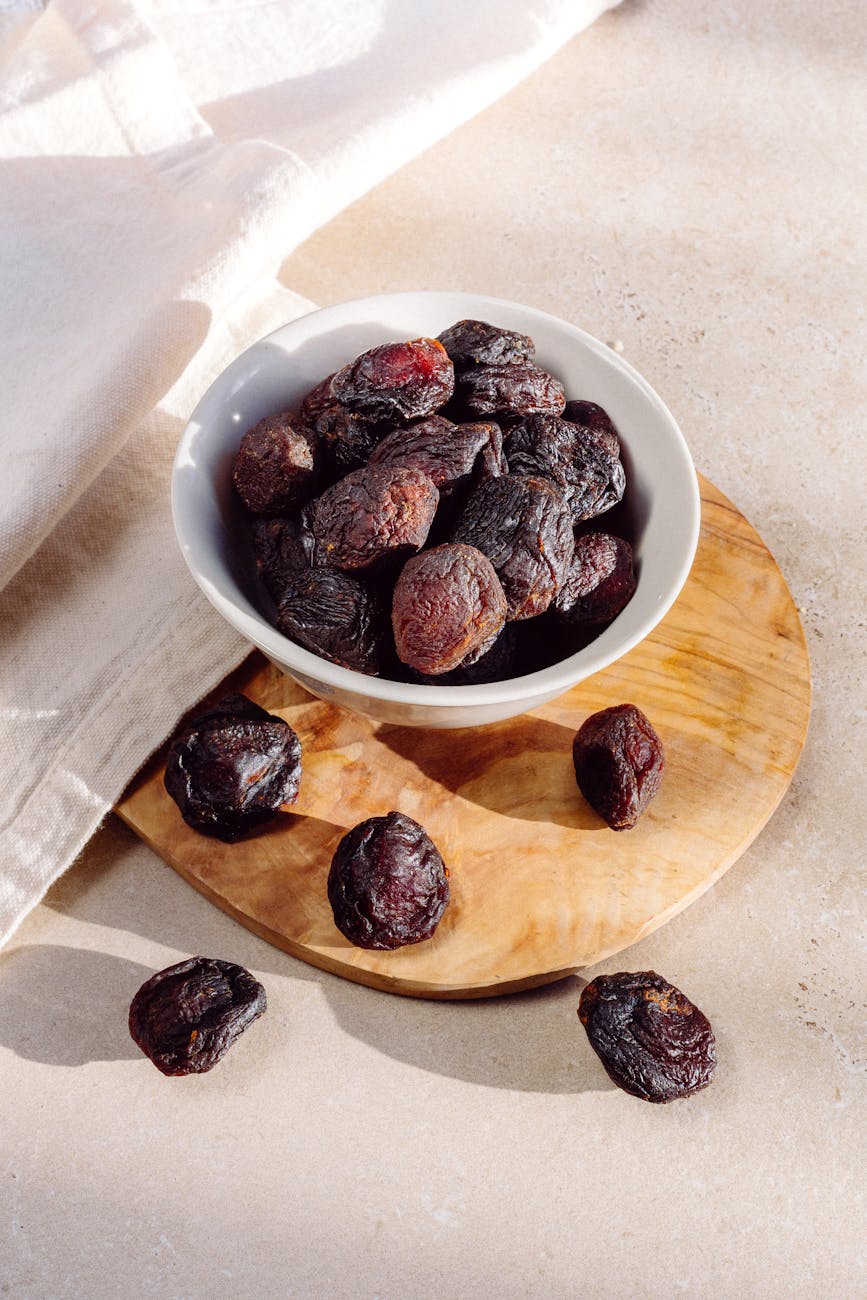
Prunes, often considered a humble pantry staple, are packed with numerous health benefits that make them a superfood worth incorporating into your diet. Here are some reasons why prunes are so good for you, backed by scientific research:
- Digestive Health: Prunes are well-known for their natural laxative effect. A systematic review published in the Proceedings of the Nutrition Society found that prunes can significantly increase stool frequency and improve stool consistency, making them an effective remedy for constipation.
- Bone Health: Research published in Osteoporosis International revealed that daily consumption of prunes can help preserve bone density and reduce the risk of fractures, especially in postmenopausal women. The study highlighted that prunes contain a unique combination of minerals, vitamin K, and phenolic compounds that are essential for bone integrity1.
- Heart Health: A study published in the Journal of Nutrition showed that eating prunes daily may help prevent changes in fat distribution around the central region of the body, particularly belly fat, which is a risk factor for cardiovascular disease. The antioxidants and anti-inflammatory compounds in prunes contribute to overall heart health1.
Vegan Prune Chocolate Bliss Balls
Ingredients:
- 1 cup prunes (pitted)
- 1 cup almonds (or any nuts of your choice)
- 2 tbsp cocoa powder
- 2 tbsp almond butter (or any nut butter)
- 1 tbsp maple syrup (optional, for added sweetness)
- 1 tsp vanilla extract
- A pinch of sea salt
- Desiccated coconut or cocoa powder for rolling (optional)
Instructions:
- Prepare the Prunes: Soak the prunes in warm water for about 10 minutes to soften them. Drain well.
- Process the Ingredients: In a food processor, add the almonds and pulse until they are finely ground.
- Add Remaining Ingredients: Add the soaked prunes, cocoa powder, almond butter, maple syrup (if using), vanilla extract, and a pinch of sea salt to the food processor. Process until the mixture is well combined and sticky.
- Form the Bliss Balls: Scoop out small portions of the mixture and roll them into balls using your hands. If the mixture is too sticky, you can dampen your hands slightly.
- Coat the Bliss Balls: Roll the bliss balls in desiccated coconut or cocoa powder for an extra touch of flavor and texture.
- Chill and Enjoy: Place the bliss balls in the refrigerator for at least 30 minutes to firm up before serving. Store any leftovers in an airtight container in the fridge.
These vegan prune chocolate bliss balls are a perfect healthy and indulgent treat that you can enjoy any time of the day. They are packed with fiber, healthy fats, and antioxidants, making them a guilt-free dessert option.
Incorporating prunes into your diet can be a delicious and nutritious way to support your health. Whether you enjoy them as a snack, add them to your meals, or drink prune juice, prunes offer numerous benefits that make them a great addition to your diet.
Enjoy your delicious vegan prune dessert! 🍫🍮
Scientific citations related to the health benefits of prunes:
- “The effect of prunes on gastrointestinal health – a systematic review of randomised controlled trials”. Proceedings of the Nutrition Society, Cambridge University Press. This study reviews the impact of prunes on gastrointestinal health, including their laxative effects and benefits for constipated individuals1.
- “The pharmacological activities of prunes: The dried plums”. Journal of Medicinal Plants Research, Academic Journals. This article discusses the various medicinal properties of prunes, including their antioxidant, anticancer, anti-hyperglycemic, and laxative activities2.
- “Chemical Composition and Potential Health Effects of Prunes: A Functional Food?”. Critical Reviews in Food Science and Nutrition, Maria Stacewicz-Sapuntzakis et al. This comprehensive review explores the chemical composition of prunes and their potential health benefits, such as their laxative effect and high phenolic content3.
Copyright Notice
© [2025] Sofia Landry. All rights reserved.
The content on this blog, including text, graphics, images, and other material, is protected by copyright law. Unauthorized use and/or duplication of this material without express and written permission from this blog’s author and/or owner is strictly prohibited. Excerpts and links may be used, provided that full and clear credit is given to Sofia Landry with appropriate and specific direction to the original content.
 Fitness Mom Tips