Procrastination is often seen as a failure of self-control, but research suggests that it is more complex than simply being lazy or unmotivated. At its core, procrastination is a self-regulation failure where immediate gratification takes precedence over long-term goals. This behavior is driven by a combination of cognitive, emotional, and social factors.
The Psychology of Procrastination
- Temporal Discounting: One of the key psychological mechanisms behind procrastination is temporal discounting, where individuals devalue rewards and punishments that are set in the future. This leads to a preference for immediate rewards, such as leisure activities, over future benefits, such as completed tasks.
- Task Aversion: Tasks that are perceived as difficult, unpleasant, or boring are more likely to be procrastinated. The negative emotions associated with these tasks create a psychological barrier that leads individuals to avoid them.
- Perfectionism: Paradoxically, perfectionism can contribute to procrastination. The fear of not meeting high standards can cause individuals to delay starting a task until they feel more prepared or confident, leading to further delays.
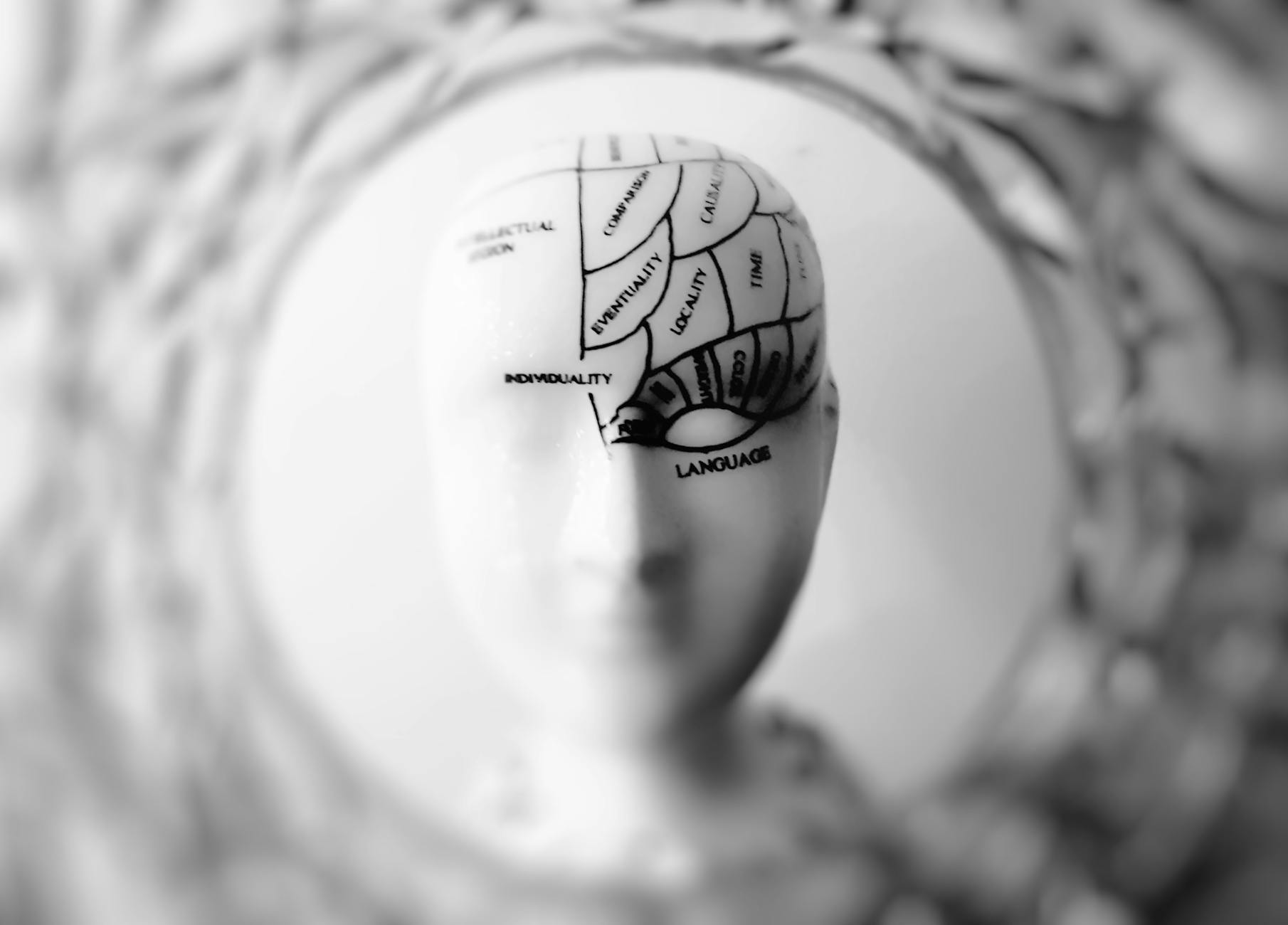
The Neurological Basis of Procrastination
Recent studies have identified specific brain regions and neurological processes involved in procrastination:
- Prefrontal Cortex: The prefrontal cortex, responsible for executive functions such as planning and decision-making, plays a crucial role in procrastination. When this area of the brain is underactive or impaired, individuals may struggle with self-regulation and impulse control.
- Amygdala: The amygdala, associated with emotional responses, can influence procrastination through its role in processing fear and anxiety. High levels of anxiety about a task can trigger avoidance behaviors, leading to procrastination.
- Dopamine: The brain’s reward system, involving the neurotransmitter dopamine, also plays a role in procrastination. The anticipation of immediate rewards releases dopamine, reinforcing the behavior and making it more difficult to focus on long-term goals.
Behavioral Insights into Procrastination
Understanding the behavioral patterns associated with procrastination can help individuals develop strategies to overcome it:
- Procrastination Cycles: Procrastination often follows a cyclical pattern, where initial avoidance leads to guilt and stress, further reinforcing the avoidance behavior. Breaking this cycle requires conscious effort and self-awareness.
- Implementation Intentions: Setting specific implementation intentions, such as “If I finish my meeting by 3 PM, I will start working on my report immediately,” can help individuals commit to action and reduce procrastination.
- Time Management Techniques: Techniques such as the Pomodoro Technique, which involves working in short, focused bursts with regular breaks, can help individuals manage their time more effectively and reduce procrastination.
Insights into psychological, neurological, and behavioral aspects:
Temporal Discounting and Procrastination: This study explores how individuals devalue future rewards and prioritize immediate gratification, leading to procrastination. It highlights the cognitive mechanisms behind procrastination and its impact on decision-making.
The Role of Task Aversion: Research by T. Hailikari, N. Katajavuori, and H. Asikainen examines how the perception of tasks as difficult, unpleasant, or boring contributes to procrastination. The study emphasizes the importance of task aversion in understanding procrastination behavior.
Perfectionism and Procrastination: This study investigates the paradoxical relationship between perfectionism and procrastination. It reveals how the fear of not meeting high standards can cause individuals to delay starting tasks, leading to further procrastination.
Neurological Basis of Procrastination: Research on the prefrontal cortex and amygdala provides insights into the neurological processes involved in procrastination. The study highlights how underactivity in the prefrontal cortex and heightened anxiety processed by the amygdala contribute to procrastination.
Procrastination Cycles: This study examines the cyclical pattern of procrastination, where initial avoidance leads to guilt and stress, further reinforcing the avoidance behavior. It emphasizes the importance of breaking this cycle to manage procrastination effectively.
Implementation Intentions and Procrastination: Research on setting specific implementation intentions demonstrates how committing to action can reduce procrastination. The study highlights the effectiveness of this strategy in overcoming procrastination.
Conclusion
Procrastination is a multifaceted phenomenon with psychological, neurological, and behavioral dimensions. By understanding the underlying mechanisms and identifying effective strategies, individuals can better manage procrastination and improve their productivity and well-being. As research continues to uncover the intricacies of procrastination, we move closer to finding comprehensive solutions to this pervasive challenge.
Citing:
Jaffe, E. (2013). Why Wait? The Science Behind Procrastination. Association for Psychological Science. Retrieved from APS Observer.
Kellot, T. (2025). Does Procrastination Work? The Science Behind Delaying. Science of Mind. Retrieved from Science of Mind.
Insights Psychology. (2024). Procrastination and the Brain: A Neuroscience Guide. Retrieved from Insights Psychology.
 Fitness Mom Tips