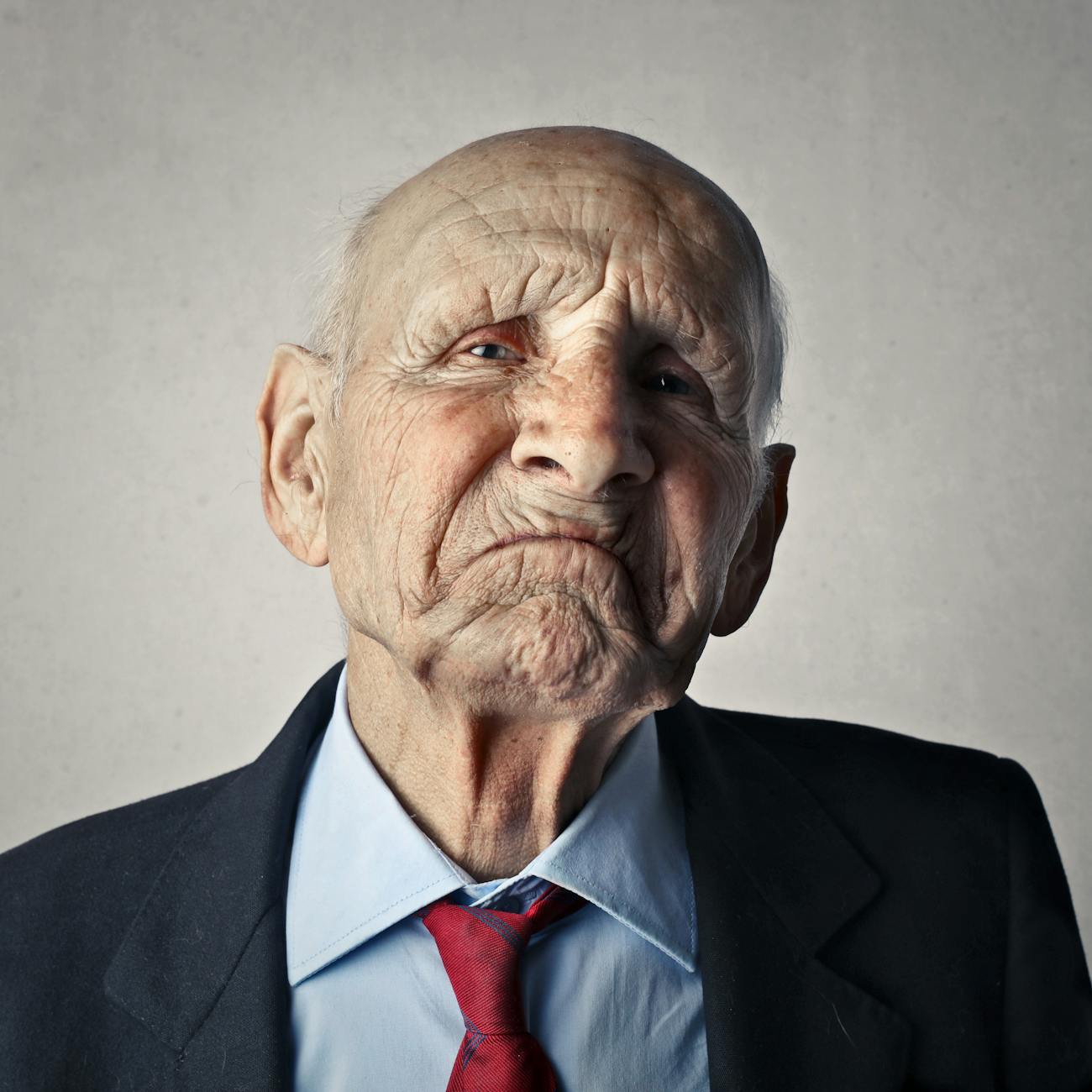
Aging is a universal experience, yet for many, it evokes fear and anxiety. This apprehension, often referred to as gerascophobia, stems from concerns about physical decline, loss of independence, and societal pressures to maintain youthfulness. But what does this fear do to individuals, and how can we address it? Let’s explore the psychology behind the fear of aging and its effects, supported by scientific studies.
#FearOfAging, #Gerascophobia, #MentalHealth, #PositiveAging, #EmotionalWellBeing, #SelfAcceptance, #AgingGracefully, #PsychologyOfAging, #MindsetMatters, #Resilience, #OvercomingFear, #MentalHealthAwareness, #SelfImprovement, #AgePositivity, #PersonalGrowth, #GrowthMindset, #ChangingNarratives, #HealthyAging, #EmpowermentThroughAging, #Neuroscience
Why Are People Afraid of Aging?
The fear of aging is multifaceted, influenced by psychological, social, and biological factors. Common concerns include:
- Physical Decline: Wrinkles, gray hair, and reduced stamina can be alarming, as they symbolize the passage of time.
- Cognitive Decline: The fear of losing mental faculties, such as memory and decision-making abilities, is prevalent.
- Social Isolation: Aging often brings changes in social networks, leading to feelings of loneliness.
- Mortality: Aging is a reminder of life’s finite nature, which can be unsettling.
Societal expectations also play a significant role. Media often glorifies youth and vitality, portraying aging as undesirable. This narrative can exacerbate fears and lead individuals to internalize negative perceptions of growing older.
The Psychological Impact of Aging Anxiety
The fear of aging can have profound effects on mental health and behavior. Studies show that individuals who fear aging are more likely to experience:
- Increased Anxiety: Persistent worries about physical and cognitive decline can lead to heightened stress levels.
- Avoidance Behaviors: Some people may avoid activities or situations that remind them of aging, such as celebrating birthdays or discussing future plans.
- Negative Self-Perception: Internalizing societal stereotypes about aging can result in low self-esteem and a diminished sense of self-worth.
Interestingly, research suggests that aging anxiety can also impact physical health. A study published in Advances in Gerontology found that fear of aging is associated with increased risk for chronic diseases and reduced recovery from illness.
Strategies to Overcome the Fear of Aging
Addressing aging anxiety requires a shift in perspective and proactive measures:
- Reframe Aging: View aging as a natural process filled with opportunities for growth and learning. Embrace the wisdom and experiences that come with age.
- Focus on Wellness: Prioritize physical and mental health through regular exercise, a balanced diet, and mindfulness practices.
- Challenge Societal Norms: Advocate for positive representations of aging in media and culture to combat stereotypes.
- Build Connections: Maintain strong social relationships to reduce feelings of isolation and foster emotional well-being.
Final Thoughts
The fear of aging is deeply rooted in human psychology, but it doesn’t have to define our experience. By understanding its causes and effects, we can take steps to embrace aging with confidence and resilience. Remember, aging is not a loss—it’s a journey of growth and transformation.
#FearOfAging, #Gerascophobia, #MentalHealth, #PositiveAging, #EmotionalWellBeing, #SelfAcceptance
Would you like me to expand on any specific aspect or tailor this blog further? Let me know!
 Fitness Mom Tips