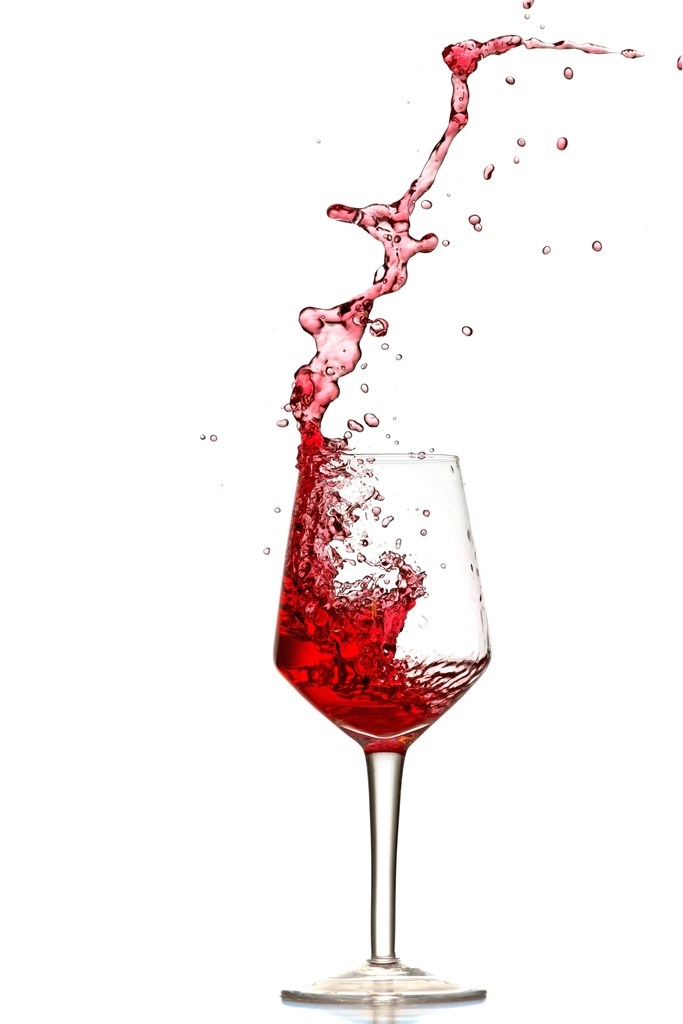
In today’s fast-paced world, many of us are searching for simple ways to relax and de-stress. Enter the trend of “drinking wine to unwind.” A glass of wine has become synonymous with easing tension—a lauded ritual that promises a moment of calm after a hectic day. But beneath the cultured veneer of “wine o’clock” lies a darker, often overlooked reality. In this blog, we explore the fad of using wine as a go-to stress reliever, delve into its cultural influences, and shed light on the potential dangers lurking behind this seemingly harmless habit.
The Allure of a Glass of Wine
Wine has long been celebrated for its rich history and cultural sophistication. Moderate consumption is often touted as part of a healthy lifestyle, with proponents claiming benefits to heart health, social bonding, and even longevity. Social media and pop culture have further amplified its status; hashtag trends like #WineOClock and #UnwindWithWine have transformed wine into an emblem of self-care and relaxation. The idea is simple: after a long day, pour yourself a glass of wine, let the stresses melt away, and embrace an effortless ritual of “unwinding.”
Yet, this popular portrayal can be deceiving. By framing wine as an essential tool for relaxation, society risks glossing over the risks of habitual drinking. While a glass of wine in moderation might seem innocuous, repeating this behavior on a daily basis can create a dangerous pattern over time.
The Dark Side: When Unwinding Becomes a Habit
Masking Underlying Stress
One of the key concerns with the “wine to unwind” trend is that it may mask the real issues behind stress. When we rely on alcohol to decompress, we aren’t addressing the root causes of our anxiety or fatigue. Instead, the relaxing effect of alcohol can create a temporary escape, allowing unresolved stress to build up. This reliance on wine can sometimes evolve into a coping mechanism that replaces more sustainable, healthier strategies for managing life’s pressures.
The Slippery Slope to Dependence
What begins as an occasional indulgence can quickly slide into a habit. Regular use of wine to deal with stress might lead to psychological dependence, where one feels unable to wind down or enjoy leisure without a drink in hand. Over time, this dependence can spiral into bigger problems such as:
- Increased Tolerance: Repeated use can lead to needing more wine to achieve the same calming effect.
- Physical Health Risks: What starts as “just one glass” may gradually increase, elevating the risk of liver damage, cardiovascular issues, and even certain cancers. Research has pointed out that alcohol is classified as a Group 1 carcinogen, meaning that any routine consumption carries inherent risks .
- Emotional Consequences: Instead of truly relieving stress, habitual drinking may exacerbate underlying mental health issues such as anxiety and depression.
A Cultural Culprit: The Wine Mom Phenomenon
A particularly poignant example of this trend is what’s been dubbed “wine mom” culture—a social narrative where mothers, overwhelmed by the pressures of parenting, turn to a daily glass of wine as a form of self-soothing. While it might be shared in jest on social media, the normalization of using alcohol as a crutch can have serious implications. It sends a subtle message that if you’re not drinking to cope, you’re simply not handling the stress of modern life, thereby trivializing more constructive forms of stress management .
The Real Costs of “Unwinding” with Wine
Health Implications
The celebrated image of a relaxed evening with a glass of wine obscures some hard truths:
- Cancer Risk: Numerous studies have highlighted that even modest alcohol consumption increases the risk of several cancers, including colon, breast, and liver cancer.
- Sleep Disruption: While wine might initially make you feel drowsy, it can interfere with the quality of your sleep, leaving you less rested and more stressed over time.
- Metabolic Impact: Regular alcohol consumption can contribute to weight gain and disrupt metabolic processes, impacting long-term health.
Social and Psychological Costs
The reliance on wine for stress relief can also undermine mental well-being:
- Avoidance of Real Solutions: By reaching for wine instead of addressing stressors directly—whether through therapy, exercise, or mindfulness—individuals may find themselves trapped in a cycle of avoidance.
- Emotional Numbing: Over time, using alcohol to manage emotions can dampen the natural ability to feel and process emotions fully, potentially leading to a diminished sense of well-being and emotional resilience.
Rethinking the Ritual: Alternatives for True Stress Relief
If the allure of a relaxing evening is so strong, why not explore healthier alternatives?
Embrace Mindfulness Practices
- Meditation and Deep Breathing: These techniques foster relaxation and help address the root causes of stress by promoting mental clarity and emotional balance.
- Yoga: The blend of physical movement and focused breathing can relieve stress, improve flexibility, and enhance overall mood.
Physical Activity and Nature
- Exercise: Regular physical activity, be it a brisk walk, a run, or a workout at the gym, releases endorphins—often called the body’s “feel-good” hormones.
- Nature Time: Spending time outdoors, whether in a park or near water, can have rejuvenating effects on both body and mind.
Creative Outlets
- Journaling: Writing about your thoughts and emotions can be an effective way to process stress without resorting to alcohol.
- Art and Music: Engaging in creative pursuits offers a productive distraction and a new channel for self-expression.
Social Support
- Community and Connection: Instead of drinking alone, consider talking to friends or seeking support groups where stressors can be openly discussed and addressed.
Conclusion: Seeking Real Unwinders Over Quick Fixes
The trend of drinking wine to unwind is steeped in cultural allure and modern marketing, yet its darker side reveals a cautionary tale. While a glass of wine might provide a fleeting sense of relief, it can also pave the way for dependency, mask underlying issues, and contribute to serious health problems. In a world where genuine well-being is more important than ever, it might be time to reconsider our nightly rituals.
True relaxation doesn’t have to come in a bottle. By exploring healthier, more sustainable approaches to managing stress, we can break free from the quick fix of alcohol and instead cultivate habits that nourish both body and mind for the long haul.
Whether you’re a fan of that nightly glass or you’ve been caught up in the social narrative, it’s worth pausing and asking: Is this ritual really serving me? The next time you feel the urge to pour a drink to wind down, consider trying one of these alternative pathways toward a healthier state of relaxation. Your body—and your mind—will thank you.
 Fitness Mom Tips