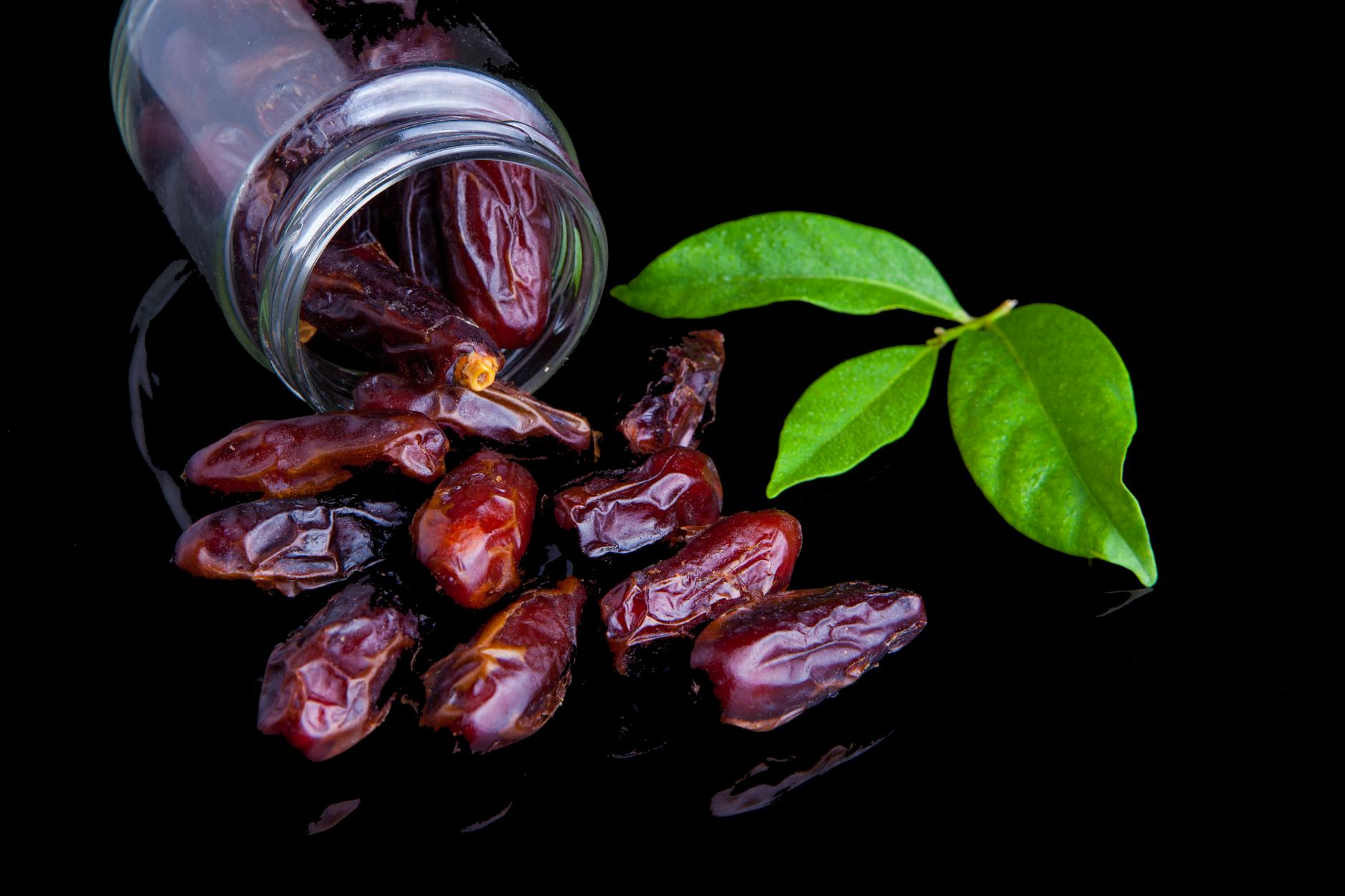
In the quest for healthier living, many have turned to natural sweeteners to replace refined sugar. Dates often top the list as a nutrient-dense, natural alternative—packed with fiber, vitamins, and antioxidants. However, despite these appealing qualities, dates are also loaded with sugar. In this blog, we dig into the hidden truth behind dates and why they might not be the magic alternative for cutting down your sugar intake that many believe.
The Nutritional Breakdown: More Than Just a Sweet Treat
Dates are celebrated for their impressive nutrient profile. They provide a good dose of dietary fiber, potassium, magnesium, and a variety of antioxidants. For example, 100 grams of dates contain around 8–9 grams of fiber, which can help slow the absorption of sugar into the bloodstream. This feature is often cited as evidence that dates are a “better” sugar. However, this nutrient bonus doesn’t erase one critical fact: dates are extremely high in natural sugars.
Quick Comparison:
| Nutrient | Dates (100g) | Refined Sugar (100g) |
|---|---|---|
| Calories | ~277 calories | ~387 calories |
| Total Sugar Content | ~63–70 grams | ~100 grams (pure sucrose) |
| Dietary Fiber | ~8–9 grams | 0 grams |
| Additional Nutrients | Vitamins, minerals, antioxidants | None |
While dates offer fiber and micronutrients, they still deliver a hefty sugar punch, which can be problematic if you’re trying to reduce your overall sugar consumption.
The Hidden Sugar Load: Natural Doesn’t Always Mean Low Sugar
It’s easy to fall for the idea that natural sugars are inherently healthier than refined sugars. Dates are certainly more complex—an entire food matrix filled with nutrients rather than empty calories. However, the natural sugars in dates (primarily glucose and fructose) can still lead to significant spikes in blood sugar levels when consumed in large amounts. This is especially concerning for those managing diabetes or trying to maintain steady energy levels throughout the day.
Many people substitute refined sugar with dates in recipes, thinking they’re making a healthier choice. While this substitution does add some nutritional benefits, it often doesn’t significantly cut down the sugar load. Consuming several dates or using date preparation products like date paste or date sugar can still contribute to high daily sugar intake.
Glycemic Concerns: The Sweet Reality
Although dates have a relatively low glycemic index compared to synthetic sugars, their high sugar content means that portion control is crucial. The fiber in dates does help moderate the glycemic response, but it doesn’t eliminate the fact that dates are calorie-dense and high in sugar. In essence, having a couple of dates is fine, but regularly using them as a primary sweetener can lead to the same issues associated with refined sugar—weight gain, energy crashes, and potential long-term metabolic damage if not consumed in moderation.
When More Isn’t Better: Overconsumption Risks
Many health enthusiasts tout dates as a daily superfood, mixing them into smoothies, baked goods, or energy bars. Yet, while a small serving can provide a nutrient boost, piling on too many dates may tip the scale towards excessive sugar and calorie intake. This is the dark side of the “healthy” label: the misconception that because a food is natural, it can be eaten without limits.
For those actively monitoring their blood sugar or trying to lose weight, relying on dates as a sugar substitute might be counterproductive. The key takeaway is that moderation is critical. While dates can be part of a balanced diet, they should be enjoyed as a treat rather than a free pass to high sugar consumption.
A Balanced Perspective: Enjoy Dates, But Mind the Portions
So, what’s the verdict? Dates do offer nutritional benefits that refined sugar lacks, but they are not a free-for-all solution for cutting sugar from your diet. If you’re looking for healthier sweetening options, consider these tips:
- Moderation is Essential: Limit your consumption of dates and be mindful of portion sizes. A few dates a day can boost your nutrient intake without bombarding you with sugar.
- Mix with Other Ingredients: When using dates in recipes, combine them with other low-sugar ingredients like nuts or seeds. This balance can help mitigate the sugar spike.
- Explore Other Alternatives: Consider other natural sweeteners such as stevia or erythritol that offer sweetness without the high sugar content, especially if you need to manage your blood sugar levels.
Conclusion: Beyond the Hype
The allure of dates lies in their natural origins and rich nutrient profile, but don’t be fooled into thinking that they are a magic bullet for cutting sugar intake. Despite their many benefits, dates pack a significant amount of sugar, and overconsumption can contribute to many of the same health issues associated with refined sugars. Like many areas of nutrition, the devil is in the details—moderation and balance are key.
By embracing a balanced approach and keeping portion sizes in check, you can enjoy the unique flavors and benefits of dates without inadvertently overloading on sugar. Remember: even nature’s sweetest offerings require mindful consumption.
 Fitness Mom Tips