How to Hold Your Power When Strangers Laugh at You—for No Reason
Have you ever been walking down the street, just minding your business, when out of nowhere… a group of strangers locks eyes with you—then come the whispers, the pointing, the smirking, the laughter? You didn’t trip. You didn’t say anything. You’re simply existing—so what gives?
It’s a jarring moment. And if it’s ever happened to you, I want you to know this first: their reaction says far more about them than it ever could about you. But let’s unpack how to deal with these strange (and frankly rude) encounters while holding onto your power and peace.
Pause—Don’t Internalize
Your first instinct might be to panic, shrink, or wonder, “Is something wrong with me?” That’s natural. But remind yourself in that instant: this moment does not define your worth.
Let it pass through you like a breeze. You are still you. Still whole. Still golden.
Choose Your Energy: Ignore, Observe, or Confront
You don’t have to react—but if you want to, you’ve got choices. Ignore: Sometimes, the highest clapback is no response. You float past like they don’t exist. Observe: Take note. What’s the vibe? Are they trying to provoke you? Are they insecure? File it away, then move on. Confront (calmly): If it feels safe, a simple “Is something funny?” delivered with calm confidence can flip the dynamic. But only do this if you feel grounded and secure—it’s not your job to teach them manners.
Ground in Reality: You Did Nothing “Wrong”
Seriously. Existing, dressing how you like, walking with your own rhythm—none of that invites ridicule. People project. People deflect. People laugh when they’re uncomfortable with their own shadows.
Whatever they’re seeing, it’s filtered through the lens of their world—not yours.
Choose Compassion, Not Contortion
You don’t need to twist yourself into something smaller or more “acceptable” to avoid awkward encounters. Instead, expand in kindness—to yourself first.
Then, if you’re up for it, extend a silent blessing to the laughers. Something like: “May you heal whatever made you mock strangers for fun.” (Powerful, right?)
Walk Away Stronger
Every one of these moments is a spark. You can let it burn you—or let it fire you up. Imagine how many people needed to hear this today. Maybe you’re not just walking down the street—you’re leading by example.
You didn’t do anything wrong. You were seen. And that triggered something in someone who hasn’t faced their reflection yet.
So fix your crown, adjust your posture, and remind yourself: they pointed, but you pivoted—and that’s the real flex.
✨ Like, share, and tag someone who needs this reminder today. Let’s lift each other up. 💬🫶
The human body is a marvel of interconnected systems, and one of the most quietly industrious among these is the lymphatic system. Often overlooked in everyday conversations about health, this network of vessels, lymph nodes, and organs plays a crucial role in maintaining fluid balance, filtering out waste, and bolstering immune function. At its core, lymphatic drainage is a natural physiological process by which excess fluid (lymph) is collected from tissues and channeled back into the bloodstream—a mechanism essential for keeping us healthy[^1^].
Understanding the Lymphatic System
At its simplest, the lymphatic system operates as a one-way transportation network. Unlike blood, lymph is not pumped by a central organ but moves passively through contractions of surrounding muscles and the intrinsic movement of vessel walls. This system’s efficiency is vital in preventing the accumulation of interstitial fluid, which, if unchecked, can lead to swelling and other complications. Medical textbooks such as Guyton & Hall’s Textbook of Medical Physiology have long explained these mechanisms, underscoring their importance in everyday bodily function[^1^].
Manual Lymphatic Drainage: Bridging Nature and Therapy
Beyond the natural process, the term “lymphatic drainage” also commonly refers to a therapeutic technique called manual lymphatic drainage (MLD). This specialized massage technique involves gentle, rhythmic movements aimed at stimulating lymph flow, especially in areas where fluid has pooled. MLD is most famously employed in managing lymphedema—a condition characterized by localized swelling following lymph node damage or dysfunction. While the method is based on sound physiological principles, research into its long-term benefits remains mixed. Several studies show that while MLD can induce immediate improvements in lymph propulsion and temporary reduction in swelling, its added benefit over comprehensive treatment protocols is sometimes difficult to pin down[^2^].
The Science Behind the Debate
The intrigue surrounding manual lymphatic drainage lies in its potential applications and scientific challenges. On one hand, proponents argue that by manually “tapping” into the body’s natural clearance system, MLD might not only ease symptoms of lymphedema but could also bolster immune surveillance and overall wellness. On the other hand, systematic reviews and meta-analyses continue to scrutinize its effectiveness in producing sustained therapeutic outcomes. Many researchers contend that, while promising in concept, MLD should be viewed as an adjunct to broader therapeutic strategies rather than a standalone solution[^3^].
Looking to the Future
As we deepen our understanding of the lymphatic system, the conversation about lymphatic drainage is bound to evolve. Future research may well unravel the complex interactions between manual therapies, exercise, nutritional support, and even emerging pharmacological agents—all working in tandem to optimize lymph flow. Whether one is a patient grappling with lymphedema, a healthcare professional refining treatment protocols, or simply someone intrigued by the body’s inner workings, the expanding study of lymphatic drainage holds promise for new insights and therapeutic innovations[^3^].
In Conclusion
Lymphatic drainage, both as a natural physiological process and as an avenue for therapeutic intervention, encapsulates a fascinating blend of biology and clinical innovation. While the natural flow of lymph remains indisputable in its necessity, the art—and science—of manually enhancing this flow invites ongoing inquiry and debate. Whether through cutting-edge research or hands-on clinical practice, the quest to harness the full potential of our lymphatic system continues to inspire scientists and clinicians alike.
If you enjoyed this deep dive into the science and nuances of lymphatic drainage, please show your support—both like and share this post with your friends and colleagues. Your engagement not only helps spread awareness about important health topics but also encourages further exploration into the many fascinating ways our bodies work.
There’s always more to discover: perhaps you’re curious about complementary therapies that support the lymphatic system naturally, or you might be interested in the latest research exploring the molecular mechanisms behind lymphatic flow. Stay tuned for future posts that peel back even more layers of our intricate physiology, and feel free to comment with your thoughts or questions—your insights make these conversations even richer.
Magnesium is one of the most essential minerals in our bodies, playing a pivotal role in over 300 enzymatic reactions that regulate everything from muscle and nerve function to energy production and bone health. Despite its importance, many people do not consume enough magnesium through their diet, which can contribute to a range of health issues. In this blog, we’ll delve into the science behind magnesium, explore its benefits, and discuss how you can optimize your intake for better health.
The Multifaceted Role of Magnesium in the Human Body
Magnesium is often called the “unsung hero” of essential minerals. At the cellular level, it is critical in the synthesis of adenosine triphosphate (ATP), the energy currency of the cell. This process not only powers metabolic reactions but also supports the proper functioning of muscles and nerves. Scientific research has shown that maintaining adequate levels of magnesium contributes to improved muscle relaxation and nerve transmission, ultimately facilitating smoother bodily functions. This enzyme-supporting activity means that even slight magnesium deficiencies can limit energy production and disturb neuromuscular activities.
Moreover, magnesium acts as a natural calcium channel blocker. This means it helps control calcium’s entry into cells—a function that is particularly important in cardiovascular health. By helping to relax blood vessels, magnesium supports normal blood pressure levels and a steady heart rhythm. Such cardiovascular benefits underscore the importance of magnesium in preventing conditions like hypertension and arrhythmias.
Cardiovascular Health and Blood Pressure Regulation
One of the most compelling benefits of magnesium is its positive impact on heart health. Studies have indicated that higher magnesium intake is associated with a reduced risk of cardiovascular disease, partly due to its role in blood pressure regulation. Magnesium helps maintain vascular tone and supports healthy endothelial function, which is crucial for preventing the development of atherosclerosis. In practical terms, ensuring that your diet includes sufficient magnesium might be an effective strategy for managing and preventing high blood pressure and other cardiovascular issues.
Enhancing Bone Density and Preventing Osteoporosis
While calcium often takes the spotlight when we discuss bone health, magnesium plays a synergistic role in maintaining strong bones. It contributes to the structural development of bone and aids in converting vitamin D into its active form, which further enhances calcium absorption. Scientific evidence suggests that low magnesium levels are linked with a higher risk of osteoporosis, especially among older adults. Therefore, incorporating magnesium into your daily diet not only supports bone density but also helps mitigate the risk of fractures over time.
Promoting Metabolic Health and Stress Reduction
Beyond its musculoskeletal and cardiovascular roles, magnesium is vital for metabolic wellness. This mineral plays a part in regulating blood sugar levels by influencing insulin sensitivity. A deficiency in magnesium has been associated with insulin resistance, which can predispose individuals to type 2 diabetes. Additionally, magnesium is known to have calming effects on the nervous system. It interacts with neurotransmitters and can help modulate the body’s stress response. This dual action not only supports metabolic health but also contributes to improved mental well-being by potentially reducing anxiety and enhancing sleep quality.
Dietary Sources and Supplementation
Incorporating magnesium-rich foods into your diet is both delicious and effective. Foods such as dark leafy greens (like spinach and kale), nuts, seeds, whole grains, and legumes are excellent sources of magnesium. However, factors like soil depletion, food processing, and dietary choices can limit magnesium intake from food alone.
For those who may not be getting enough magnesium, supplementation is a practical option. It’s important to tailor magnesium supplementation to individual needs, as too much magnesium can lead to side effects such as diarrhea or gastrointestinal discomfort. Consulting with a healthcare provider can help determine the appropriate dosage based on individual health needs and nutritional status.
Final Thoughts: Integrating Magnesium for Holistic Health
The benefits of magnesium extend far beyond its fundamental biochemical roles. From boosting energy metabolism to supporting cardiovascular and bone health, magnesium is a cornerstone of a balanced diet. Embracing a diet rich in magnesium or considering supplementation when necessary can lead to profound improvements in overall health, reducing the risk of chronic diseases and enhancing quality of life.
For those of us seeking a holistic approach to health, understanding and optimizing our intake of essential minerals like magnesium is a promising path forward. As the science continues to unveil the myriad ways magnesium supports our bodies, it becomes clear that this mineral should be a staple in our daily dietary regimes.
Delving deeper, you might also explore emerging research on magnesium’s role in mitigating inflammation and its potential impact on neurological conditions. The interplay between individual genetics, lifestyle factors, and optimal mineral consumption remains a fascinating frontier in nutritional science. How might tailored magnesium supplementation further personalize dietary recommendations in the future? This is an area ripe for further discussion, inviting both professionals and enthusiasts to keep the conversation going.
If you’ve ever placed chilled cucumber slices over your eyes, you know the instant refresh they bring. But what if we took it a step further? Enter the frozen cucumber—a simple yet powerful skincare hack that’s making waves for its ability to de-puff, hydrate, and rejuvenate your skin.
So go ahead and freeze that cucumber that is on the brink of going sour!
Why Freeze Your Cucumber?
Cucumbers are packed with vitamins C and K, antioxidants, and hydrating properties that work wonders for your skin. When frozen, they become a cooling facial tool that can:
Reduce puffiness – The cold temperature helps constrict blood vessels, minimizing swelling and under-eye bags A.
Hydrate deeply – With cucumbers being 96% water, they infuse moisture into your skin, leaving it plump and refreshed A.
Soothe irritation – Their anti-inflammatory properties calm redness, sunburn, and sensitive skin A.
Tighten pores – The icy effect helps shrink pores, giving your skin a smoother appearance B.
Boost circulation – Rolling a frozen cucumber over your face stimulates blood flow, enhancing your natural glow C.
How to Use It
Freeze a whole cucumber – Wash it, wrap it in plastic, and let it chill overnight.
Slice or use whole – Cut into rounds for targeted areas or roll the entire cucumber over your face like a jade roller.
Massage gently – Move in circular motions, focusing on puffy areas or spots needing hydration.
Follow with skincare – Apply your favorite serum or moisturizer to lock in the benefits.
Final Thoughts
This budget-friendly beauty trick is a game-changer for anyone looking to refresh their skin naturally. Whether you’re prepping for a big day or winding down after a long one, a frozen cucumber facial might just be the coolest addition to your routine.
Would you try this? Let’s talk skincare hacks! 🥒❄️
There’s something deeply satisfying about a dramatic exit. The slamming of doors, the scorched-earth farewell, the definitive “I’ll never speak to you again.” But what if burning that bridge leaves behind a hole—not in someone else’s world, but in your own?
When we sever ties impulsively, we imagine it as a clean break. But relationships, professional connections, even fleeting interactions—these are threads in the fabric of our journey. And when we torch them, we create gaps, voids where possibility once existed.
Lost Opportunities: The boss you clashed with today might have been the one to recommend you for an unexpected career leap tomorrow. The friend you dismissed might have held a lesson you didn’t know you needed.
Reputation Echoes: Every bridge burned leaves a mark on how people perceive you. Word travels, and the way you end relationships says as much about you as the way you maintain them.
Emotional Energy Drain: Holding onto resentment, cutting ties in anger—it drains energy. It’s space that could be filled with growth instead of lingering negativity.
Imagine your journey as a network of bridges rather than isolated islands. Some paths you may never revisit—but keeping them intact ensures a smoother road ahead. Graceful endings don’t just preserve relationships; they protect your own integrity.
The world is smaller than it seems. And sometimes, the bridge we burned yesterday is the one we’ll wish was still standing tomorrow.
It’s that time of year again, my favorite time…switching from winter garments to summer. It feels great because I know sunny days are ahead. Afternoons by the pool or beach side, oily tan oil and sun-kissed tans are what I love for!
Today I found so many cute tops from when I wasn’t a mom and was reminiscing on the great times I had in a sunny NYC day! Although that was such a fun part of my life, I really don’t miss it. Drunk and hung over days, crowded concerts and clubs gave me anxiety at the end. I really appreciate being a mom, I love the mommy and baby activities we do together. They are soothing, relaxing, loving, and just pure zen!
So while I was cleaning I realized I will not be wearing all these clubbing crop tops…probably ever! I bagged them up and tossed them otw to the dollar store to get some props for my UGC side hustle. Nothing makes me happier than my life today. I ended up in a sundress. Such a beautiful afternoon in NY today 😻❤️☀️🫶
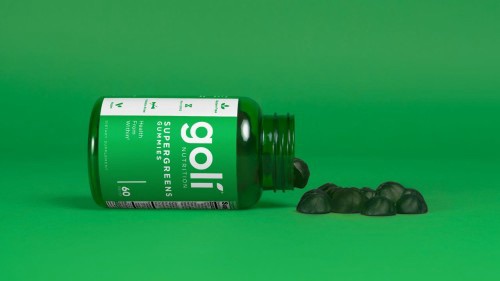
Looking for an easy way to get your daily dose of greens? Goli Supergreens Gummies are packed with essential vitamins, minerals, and probiotics to support digestion, immunity, and overall well-being A.
Why Goli Supergreens?
These gummies contain a nutrient-rich blend of superfoods like spirulina, moringa, wheatgrass, and chlorella, helping to: ✅ Support digestive health with artichoke leaf extract A ✅ Boost immunity with vitamin A and essential nutrients A ✅ Enhance liver function with powerful antioxidants A ✅ Promote energy metabolism with vitamin B12 and folic acid A
A Convenient & Tasty Solution
No more struggling to eat enough greens—just pop a gummy and go! Plus, they’re vegan, gluten-free, and non-GMO.
Share a story about someone who had a positive impact on your life.
There are moments in life when someone believes in you so completely that their conviction becomes your own. For me, that person was my college professor, the one who didn’t just see my potential—he insisted on it.
I walked into his classroom uncertain, hesitant, and full of half-formed thoughts about writing. I had stories buried inside me but wasn’t sure they deserved to be told. But he saw through my doubts. He recognized something in my words that I hadn’t yet come to trust, and with unshakable confidence, he encouraged me to screenwrite.
More than just teaching technique, he taught belief. He made me understand that writing isn’t just about structure or format; it’s about feeling, about honesty, about the courage to put something real on the page. He challenged me to think deeper, to refine, to rewrite—not because my words weren’t good, but because they could be exceptional. And he never let me settle for less than what he knew I was capable of.
His encouragement was a gift, one that continues to shape every script, every sentence, every idea I bring to life. Because of him, I don’t just write—I believe in my writing.
To the teacher who changed everything: Thank you for giving me the confidence to tell my stories. Thank you for convincing me I was meant to write.
For those serious about weight training, nutrition plays a crucial role in muscle growth and recovery. While common protein sources like chicken and whey are often highlighted, liver is an underrated powerhouse that can take your fitness journey to the next level.
Packed with essential nutrients, liver provides everything from protein to vitamins that fuel endurance, enhance performance, and optimize recovery. Let’s explore why liver deserves a spot in your diet—and how you can enjoy it with a delicious Moroccan-inspired recipe!
Why Liver is a Must-Have for Weight Training
1. Superior Protein Source
Liver is rich in high-quality protein, containing all essential amino acids needed for muscle repair and growth. This makes it an excellent addition to any diet focused on strength-building.
2. Iron for Endurance
Iron plays a critical role in oxygen transport, preventing fatigue and keeping you energized during intense workouts. Liver’s high iron content ensures your muscles get the oxygen they need to perform at peak levels.
3. Hormone Support
Muscle-building isn’t just about lifting weights—hormones play a major role too. Liver contains zinc and vitamin A, which help regulate testosterone levels and support muscle development.
4. Fast Recovery Boost
Liver is loaded with B vitamins, crucial for energy production and cell repair. This speeds up post-workout recovery, reducing soreness and improving overall endurance.
5. Detoxification Benefits
Contrary to myths, liver neutralizes toxins rather than storing them. Instead, it acts as a natural detoxifier, supporting a healthy metabolism and making it a clean, nutrient-dense food choice.
Recipe:
Moroccan Liver
Coriander
Garlic
Cumin
Paprika
Olive oil
Salt & Pepper
A half of a squeezed lemon or a teaspoon of apple cider vinegar.
Proceed to cut the liver in to cubes, pat dry, and mix all the ingredients in a bowl. I prefer to throw them in skewers and grill them but you can always cook them really well in a stove top or pressure cooker.
Over the past decade, vaping has surged in popularity, marketed as a sleek, safer alternative to traditional cigarettes. Yet, beneath the billowing clouds of flavored vapor lies a host of risks that many users overlook. If you’re considering vaping or know someone who does, understanding the dangers is crucial.
The Myth of “Safe” Smoking
E-cigarettes and vape pens are often presented as a harmless habit, but their effects on health tell a different story. Unlike traditional cigarettes, vaping liquids don’t contain tobacco, but they do house nicotine, a highly addictive substance. Nicotine not only rewires the brain, leading to dependency, but also increases heart rate, blood pressure, and the risk of cardiovascular disease.
Even nicotine-free vapes aren’t exempt from harm—many contain toxic chemicals like formaldehyde and acetone, substances linked to respiratory issues and even cancer when inhaled regularly.
The Impact on Young Minds
One of the most alarming aspects of vaping is its grip on young users. Slick marketing, enticing flavors, and easy accessibility have contributed to an epidemic among teens. Studies show that vaping affects the developing brain, impairing memory, impulse control, and emotional regulation. What begins as a casual habit can quickly spiral into addiction, making it harder for young users to quit as they grow older.
The Risks to Lung Health
We’ve all heard the phrase “it’s just vapor”, but what exactly is in those clouds? Researchers have found that vaping aerosols contain ultrafine particles that penetrate deep into the lungs, causing inflammation and long-term damage. Cases of vape-related lung injuries (EVALI) have surfaced, some so severe they’ve led to hospitalization.
Additionally, many vape products contain diacetyl, a chemical linked to bronchiolitis obliterans, more commonly known as “popcorn lung”—a serious condition that scars lung tissue, leading to chronic breathing problems.
A Gateway to Smoking?
Vaping has been touted as a smoking cessation tool, but for many, it does the opposite. Research shows that people who begin vaping are more likely to transition to cigarettes, rather than quitting nicotine altogether. The misconception that vaping is “harmless” fosters prolonged use, increasing the likelihood of developing lifelong nicotine addiction.
Breaking Free From the Haze
If you or someone you know is struggling with vaping addiction, know that quitting is possible. Support groups, nicotine replacement therapies, and behavioral strategies can help pave the way toward a healthier, vape-free life.
The allure of flavored vapor may seem harmless, but the reality is far darker. Understanding the risks now can help prevent long-term health consequences later.
Would you like me to help refine this or tailor it further to your audience?







 Fitness Mom Tips