The Doctor Dilemma: Why the System Makes It So Hard to Succeed in Medicine

“Medicine is a science of uncertainty and an art of probability.” – William Osler
Osler, one of the founding fathers of modern medicine, captured the essence of the profession—the balance between knowledge and intuition, precision and unpredictability. A reminder that even in the rigid structure of the medical system, there’s room for humanity and adaptability.

Becoming a doctor is one of the most challenging career paths imaginable. It requires years of rigorous education, grueling training, and a relentless commitment to patient care. Yet, despite the demand for physicians, countless obstacles stand in the way of success, leading to a troubling shortage in the profession.

Why Is There a Doctor Shortage?

The shortage of doctors—especially in primary care—is a growing crisis. Several systemic issues contribute to this problem:

  1. The Cost of Medical Education – The price of medical school is astronomical, leaving graduates saddled with debt before they even start their careers. Many opt for higher-paying specialties over primary care to manage their finances, widening the gap in essential healthcare services.
  2. Long and Exhausting Training – Becoming a doctor requires years of education, residency, and fellowships. Many aspiring physicians burn out before they even finish the journey, discouraged by the grueling hours and immense stress.
  3. Bureaucratic Barriers – The system imposes endless paperwork, licensing hurdles, and insurance battles. Instead of focusing on patient care, doctors spend excessive time navigating administrative red tape, further dissuading potential medical students.
  4. Work-Life Balance Struggles – The medical profession is notorious for its demanding schedules. The expectation of long hours, constant availability, and high emotional toll push many doctors to seek alternative careers with greater flexibility and personal fulfillment.
  5. Limited Residency Spots – While many students graduate medical school, residency programs are capped, limiting their ability to train and enter the workforce. This bottleneck prevents qualified individuals from becoming practicing doctors, further exacerbating the shortage.

5 Ways to Overcome the Challenges and Succeed in Medicine

Despite the hurdles, there are ways aspiring doctors can navigate the system and build successful careers:

  1. Seek Scholarships & Loan Forgiveness Programs – Many institutions offer grants, loan forgiveness, or tuition assistance programs for students willing to work in underserved areas. This can significantly reduce financial strain.
  2. Explore Work-Life Balance Strategies Early – Prioritizing self-care and seeking specialties with more manageable hours can prevent burnout before it begins. Understanding your personal limits is crucial.
  3. Advocate for Policy Changes – Get involved in medical associations, petition for more residency slots, and push for healthcare reforms that reduce administrative burdens. Change starts with those inside the system fighting for improvement.
  4. Leverage Technology to Ease Administrative Burdens – Doctors can streamline patient care with efficient tools like AI-powered charting and automated scheduling to save time and focus on patient needs.
  5. Mentorship & Support Networks – Connecting with experienced doctors, joining professional organizations, and seeking guidance can help navigate the complexities of the system while ensuring emotional support through the journey.

Final Thoughts

The road to becoming a doctor is undeniably difficult, but for those passionate about medicine, the impact on patients’ lives makes the struggle worth it. The system may be flawed, but with resilience, advocacy, and strategic planning, success in medicine is still possible—and desperately needed. FYI my brother was in his residency and just saved a life, he had many people block him because they knew how much of a genius he was and was a threat. Go figure! Wowzers!
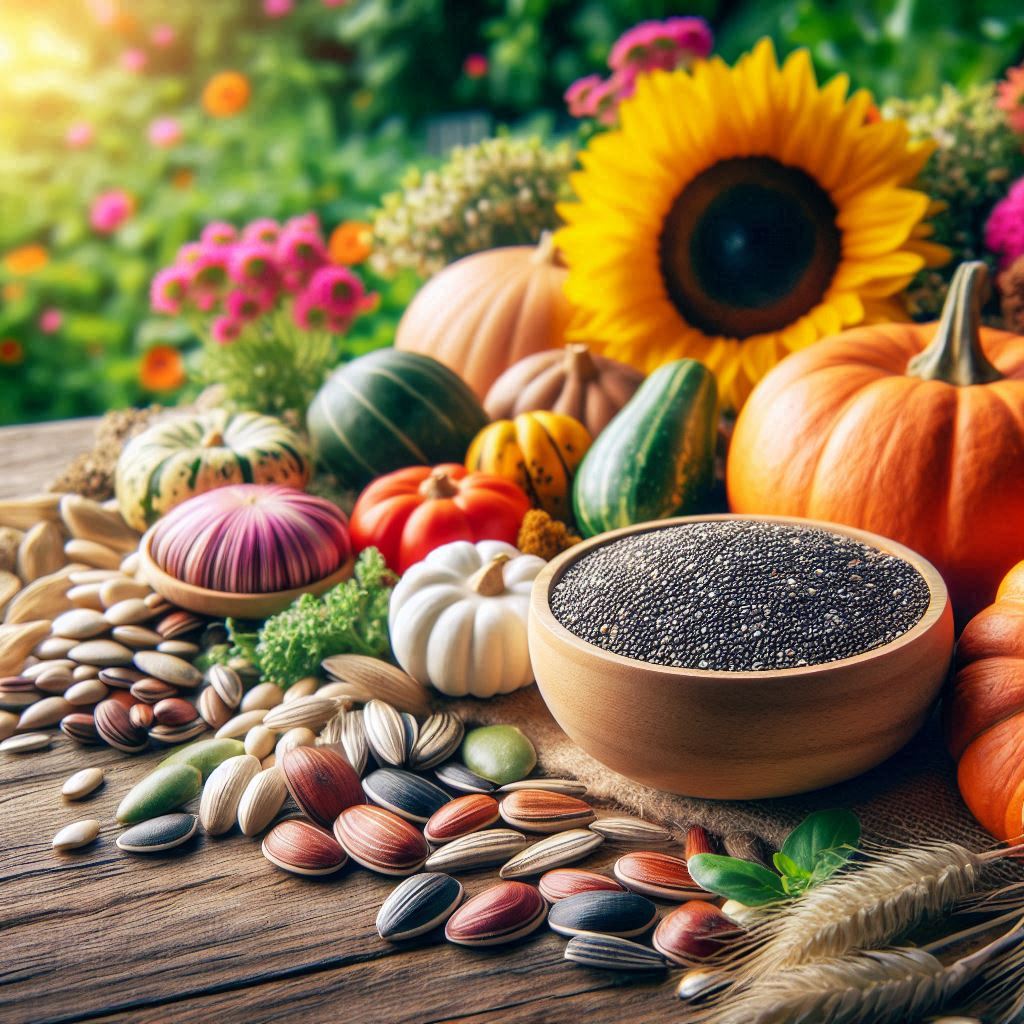

Seeds and Nuts: Tiny Powerhouses of Nutrition

Seeds and nuts may be small, but they pack a mighty punch when it comes to health benefits. These nutrient-dense foods are not only delicious but also versatile, making them a perfect addition to any diet. Here’s a closer look at why seeds and nuts should be a staple in your pantry.

Health Benefits of Seeds and Nuts

  1. Rich in Healthy Fats
    Seeds and nuts are excellent sources of unsaturated fats, including omega-3 and omega-6 fatty acids. These fats support heart health, reduce inflammation, and promote brain function.
  2. High in Protein
    Both seeds and nuts are great plant-based protein options, making them ideal for vegetarians and vegans. Protein is essential for muscle repair, immune function, and overall growth.
  3. Packed with Fiber
    Fiber in seeds and nuts aids digestion, helps maintain healthy blood sugar levels, and keeps you feeling full longer, which can support weight management.
  4. Loaded with Vitamins and Minerals
    Seeds and nuts are rich in essential nutrients like magnesium, zinc, vitamin E, and selenium. These contribute to strong bones, healthy skin, and a robust immune system.
  5. Antioxidant Powerhouses
    Many seeds and nuts contain antioxidants that combat free radicals, reducing the risk of chronic diseases and slowing the aging process.
  6. Supports Heart Health
    Regular consumption of seeds and nuts has been linked to lower cholesterol levels and reduced risk of heart disease. Walnuts, almonds, and flaxseeds are particularly heart-friendly.
  7. Boosts Brain Health
    Nuts like walnuts and seeds like chia are known for their brain-boosting properties, thanks to their omega-3 content and antioxidants.

Popular Seeds and Nuts to Try

  • Almonds: High in vitamin E and calcium.
  • Walnuts: Rich in omega-3 fatty acids.
  • Chia Seeds: Packed with fiber and omega-3s.
  • Flaxseeds: Great for digestion and heart health.
  • Pumpkin Seeds: Loaded with magnesium and zinc.
  • Cashews: A good source of iron and magnesium.

How to Incorporate Seeds and Nuts into Your Diet

  • Snacks: Enjoy a handful of mixed nuts or roasted seeds as a quick and healthy snack.
  • Smoothies: Blend chia or flaxseeds into your morning smoothie for added nutrition.
  • Salads: Sprinkle sunflower or pumpkin seeds on your salads for a crunchy texture.
  • Baking: Add nuts to muffins, cookies, or bread for extra flavor and nutrients.
  • Nut Butters: Spread almond or peanut butter on toast or use it as a dip for fruits.

Here’s a traditional recipe for Moroccan Zemeta (also known as Sellou or Sfouf), a nutty and flavorful treat often enjoyed during Ramadan or special occasions:

Moroccan Zemeta Recipe

Ingredients:

  • 1 cup sesame seeds
  • 1 cup almonds (blanched and fried)
  • 1 cup Almond flour (toasted brown)
  • 1/2 cup honey
  • 1/2 cup melted butter or olive oil
  • 1 teaspoon ground cinnamon
  • 1 teaspoon ground anise
  • A pinch of salt
  • Arabic gum (optional)

Instructions:

  1. Prepare the Ingredients:
    • Toast the sesame seeds in a dry pan until golden and fragrant.
    • Toast the flour in a skillet over medium heat, stirring constantly, until it turns a light golden color. Let it cool.
    • Fry the almonds in a bit of oil until golden, then grind them coarsely.
  2. Mix the Dry Ingredients: In a large bowl, combine the toasted flour, sesame seeds, ground almonds, cinnamon, Arabic gum (optional), anise, and a pinch of salt.
  3. Add the Wet Ingredients: Gradually mix in the melted butter and honey until the mixture holds together. Adjust the quantities to achieve your desired consistency.
  4. Shape and Serve:
    • You can shape the mixture into small balls, press it into a mold, or serve it as a loose powder in a decorative bowl.
    • Garnish with additional sesame seeds or ground almonds if desired.
  5. Store: Store Zemeta in an airtight container at room temperature. It keeps well for weeks, making it a perfect make-ahead treat.

A Small Change, Big Impact

Incorporating seeds and nuts into your diet is a simple yet powerful way to boost your health. Their versatility means you can enjoy them in countless ways, whether as snacks, toppings, or ingredients in your favorite recipes. So, go ahead and make these tiny nutritional powerhouses a regular part of your meals—you’ll be doing your body a world of good.

Like and Share to Celebrate Wellness!
🌟 If you found this blog helpful, show your love by liking it!
📢 Share it with your friends, family, or anyone looking to embrace healthier eating habits. Let’s spread the goodness of seeds and nuts together!

Your engagement helps inspire others to live a healthier life. Thank you for supporting this journey! 🌱

Longevity and the Power of Exercising a Few Times a Week

Living a long and healthy life is a goal many of us aspire to, and one of the most effective ways to achieve it is through regular exercise. The good news? You don’t need to spend hours at the gym every day to reap the benefits. Exercising just a few times a week can significantly boost your longevity and overall well-being.

How Exercise Promotes Longevity

  1. Improves Heart Health
    Regular physical activity strengthens the heart, improves circulation, and helps maintain healthy blood pressure levels. This reduces the risk of heart disease, one of the leading causes of premature death.
  2. Supports Brain Function
    Exercise stimulates the release of endorphins and promotes the growth of new brain cells. It can improve memory, focus, and mood, while reducing the risk of cognitive decline and conditions like Alzheimer’s disease.
  3. Reduces Chronic Disease Risk
    Engaging in moderate exercise helps prevent chronic conditions such as type 2 diabetes, certain cancers, and osteoporosis. It also boosts the immune system, keeping you healthier for longer.
  4. Enhances Mental Health
    Physical activity is a natural stress reliever. It reduces anxiety and depression, improves sleep quality, and fosters a sense of accomplishment—all of which contribute to a longer, happier life.
  5. Maintains Mobility and Strength
    Exercise keeps muscles and joints strong, reducing the risk of falls and injuries as you age. Staying active helps you maintain independence and quality of life.

How Often Should You Exercise?

Experts recommend at least 150 minutes of moderate aerobic activity per week, such as brisk walking, cycling, or swimming. This can be broken down into 30-minute sessions, five days a week. Alternatively, you can aim for 75 minutes of vigorous activity weekly, like running or high-intensity interval training. Adding strength training twice a week is also beneficial for muscle health and bone density.

Simple Ways to Incorporate Exercise

  • Walking: Take a brisk walk during lunch breaks or after dinner.
  • Yoga: Practice yoga for flexibility and stress relief.
  • Dancing: Turn up the music and dance—it’s fun and effective!
  • Home Workouts: Use online videos for quick and easy routines.

The Longevity Equation

Exercise is more than just a physical activity; it’s an investment in your future. By dedicating a few hours each week to movement, you’re not only adding years to your life but also enhancing the quality of those years. So, lace up your sneakers, find an activity you enjoy, and make exercise a regular part of your routine. Your body—and your future self—will thank you.

Like and Share to Inspire Healthy Living! 🏃‍♀️ If this blog motivated you to exercise for longevity, show your support by liking it! 📢 Share it with your friends and family—let’s spread the word about staying active and healthy together!

Kale: A Superfood with Super Benefits for Women

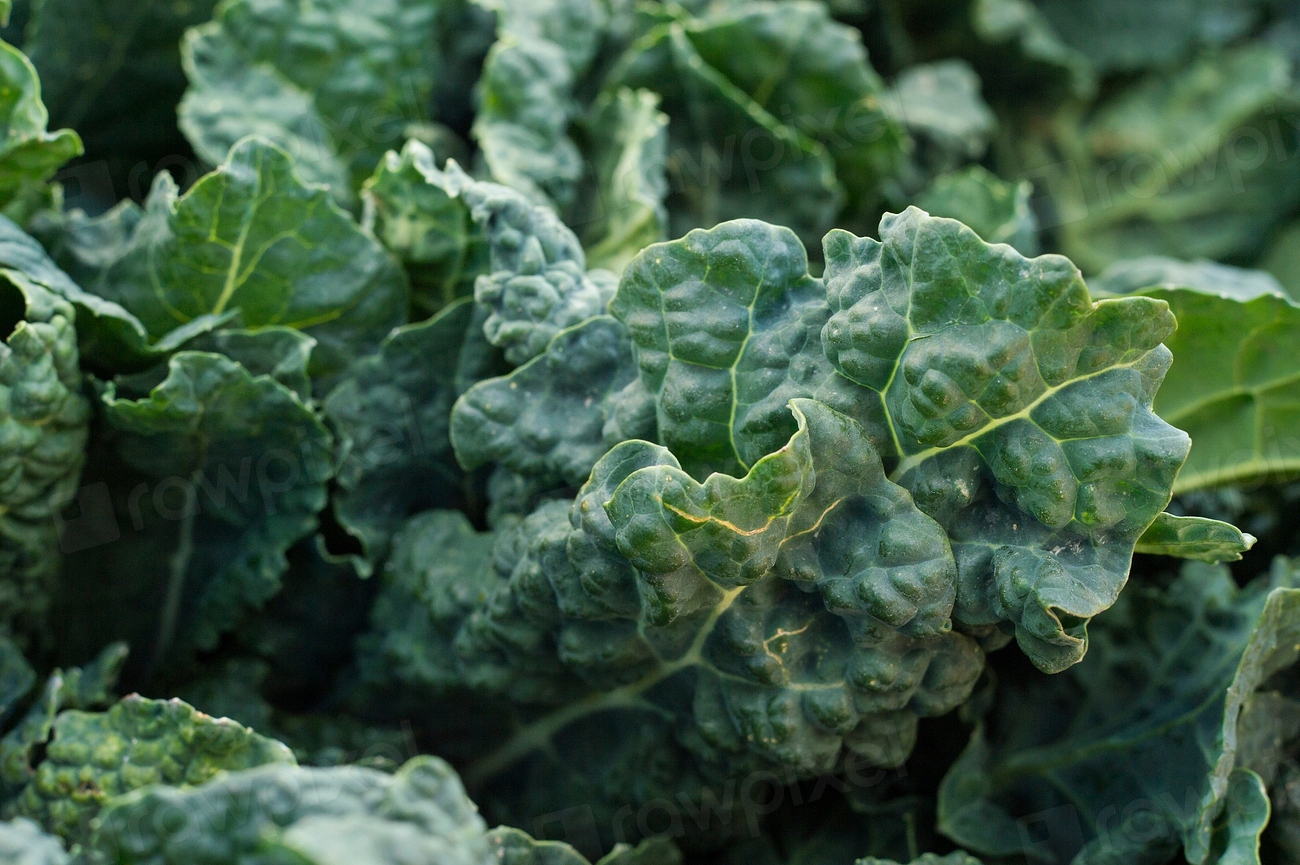
Dinosaur kale for sale at Jack by U.S. Department of Agriculture is licensed under CC-CC0 1.0

Kale, often hailed as a nutritional powerhouse, is more than just a trendy leafy green. Packed with essential vitamins, minerals, and antioxidants, it offers a range of health benefits that are particularly valuable for women. Whether you’re looking to boost your energy, support your overall health, or simply add a delicious ingredient to your meals, kale has you covered.

Why Kale is a Must-Have for Women

  1. Rich in Iron for Energy
    Women, especially those of childbearing age, are more prone to iron deficiency. Kale is a plant-based source of iron, which helps in the production of hemoglobin and supports energy levels. Pairing kale with vitamin C-rich foods, like citrus fruits, enhances iron absorption.
  2. Supports Bone Health
    Kale is loaded with calcium and vitamin K, both of which are crucial for maintaining strong bones. Vitamin K also plays a role in reducing the risk of osteoporosis, a condition that disproportionately affects women.
  3. Promotes Healthy Skin and Hair
    The high levels of vitamin A and vitamin C in kale contribute to glowing skin and strong, shiny hair. Vitamin C also aids in collagen production, which helps maintain skin elasticity.
  4. Aids in Hormonal Balance
    Kale contains compounds called glucosinolates, which support liver detoxification. A healthy liver is essential for processing and balancing hormones, making kale a great addition to a hormone-friendly diet.
  5. Boosts Heart Health
    With its potassium and magnesium content, kale helps regulate blood pressure and supports cardiovascular health. Its fiber content also aids in lowering cholesterol levels, reducing the risk of heart disease.
  6. Supports Reproductive Health
    Kale is a good source of folate, a B-vitamin that is essential for women who are pregnant or planning to conceive. Folate supports fetal development and reduces the risk of birth defects.
  7. Helps Manage Weight
    Low in calories but high in fiber, kale is a great addition to any weight management plan. It keeps you feeling full and satisfied while providing essential nutrients.

How to Incorporate Kale into Your Diet

  • Smoothies: Blend kale with fruits, yogurt, and a splash of almond milk for a nutrient-packed breakfast.
  • Salads: Massage kale leaves with olive oil and lemon juice to soften them, then toss with your favorite toppings.
  • Soups and Stews: Add chopped kale to soups and stews for an extra dose of greens.
  • Chips: Bake kale leaves with a drizzle of olive oil and a sprinkle of salt for a crunchy, healthy snack.

A Superfood for Every Woman

Kale is more than just a leafy green—it’s a versatile superfood that supports women’s health in countless ways. Whether you’re looking to boost your energy, protect your heart, or simply enjoy a delicious and nutritious meal, kale is a fantastic choice. So, why not make kale a regular part of your diet and reap its amazing benefits?

Here’s a delicious Mediterranean-inspired kale recipe to add to your blog:

Mediterranean Kale Salad with Feta and Olives

Ingredients:

  • 1 bunch of kale, stems removed and leaves chopped
  • 1 cup cherry tomatoes, halved
  • 1 small cucumber, diced
  • 1/4 cup Kalamata olives, halved
  • 1/4 cup crumbled feta cheese
  • 2 tablespoons olive oil
  • 1 tablespoon lemon juice
  • 1 teaspoon dried oregano
  • Salt and pepper to taste

Instructions:

  1. Prepare the Kale: Place the chopped kale in a large bowl. Drizzle with 1 tablespoon of olive oil and a pinch of salt. Massage the kale with your hands for 1–2 minutes to soften the leaves.
  2. Assemble the Salad: Add the cherry tomatoes, cucumber, olives, and feta cheese to the bowl with the kale.
  3. Make the Dressing: In a small bowl, whisk together the remaining olive oil, lemon juice, oregano, salt, and pepper.
  4. Combine: Pour the dressing over the salad and toss until everything is evenly coated.
  5. Serve: Enjoy this vibrant and healthy salad as a side dish or a light meal.

This recipe is simple, refreshing, and packed with Mediterranean flavors. Let me know if you’d like me to add more variations or tips! 🌿

Like and Share to Spread the Word! 🌸 If this tip inspired you, don’t forget to like this post—it’s a small click that means a lot! 📢 Share it with other moms in your circle who deserve a moment of self-care too.

Together, we can create a community of moms supporting moms. Your engagement makes all the difference

Mom Tip: Finding Small Moments for Self-Care

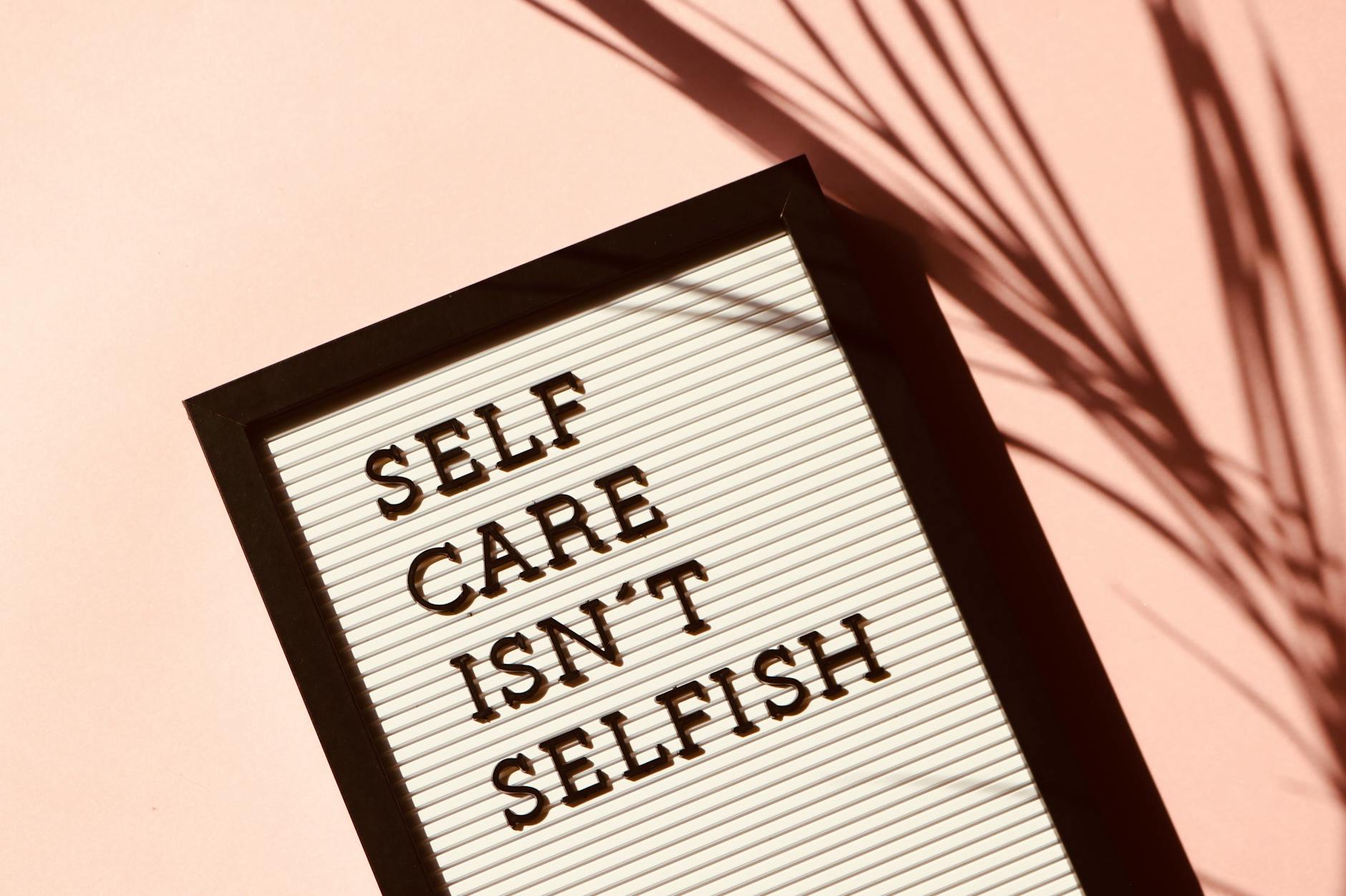
Photo by Madison Inouye on Pexels.com

As moms, we juggle a million responsibilities, often putting ourselves last on the list. But here’s a game-changing tip: embrace the power of small moments. Self-care doesn’t have to mean hours away at a spa; it’s about finding little pockets of time to recharge and nurture yourself, even in the busiest of days.

Why Small Moments Matter

When life feels chaotic, small acts of self-care can help you regain your balance. They remind you that your well-being is important too—and when you feel good, you show up as the best version of yourself for your family.

Simple Ideas for Self-Care

  1. Morning Ritual: Take five minutes before the kids wake up to enjoy your coffee or tea in peace. Let it be your moment of calm before the day begins.
  2. Music Therapy: Play your favorite song while cooking dinner or folding laundry. It’s amazing how uplifting music can be.
  3. Mindful Breathing: Take deep breaths when you’re feeling overwhelmed. Even a few seconds of mindfulness can help reset your mood.
  4. Nature Breaks: Step outside for fresh air while the kids play. A quick connection with nature can be refreshing.
  5. Journal It Out: Keep a small notebook handy to jot down thoughts, gratitude, or funny moments from your day. Writing can be surprisingly therapeutic.

The Beauty of Balance

Self-care doesn’t need to be perfect or planned. It’s about finding those little things that make you smile and feel grounded, even if just for a minute. Remember, you’re not “just a mom”—you’re YOU, with dreams, feelings, and so much strength to give.

So, go ahead and take those small moments for yourself—you deserve them. Let them be a reminder that self-care isn’t selfish; it’s essential. Your family will thank you for it.

Is She Even the One If She Keeps Blocking Your Close Family?

Relationships are complicated enough without adding social media drama into the mix. But what does it really mean when your partner consistently blocks your close family? Is it a simple boundary-setting move, or is it a sign of something deeper—maybe even a red flag?

The Fine Line Between Boundaries and Isolation

Healthy relationships thrive on mutual respect and clear boundaries. If your partner is blocking a family member due to personal conflicts, harassment, or repeated disrespect, it could be an act of self-protection rather than hostility. However, if the blocks extend beyond specific incidents and start feeling like an attempt to isolate you from your loved ones, it’s worth taking a closer look.

What’s the Intent Behind the Block?

The “why” matters. Consider these common reasons someone might block your family:

  • Personal conflicts – Ongoing disagreements or past grievances.
  • Privacy concerns – Wanting more control over personal content shared online.
  • Avoiding toxicity – Shielding themselves from negativity or drama.
  • Control and isolation – Keeping you disconnected from your support system (a major red flag).

If the blocking feels more like retaliation, control, or manipulation rather than a healthy boundary, it’s time for a serious conversation.

How Does It Affect Your Relationship?

Your relationship doesn’t exist in isolation—it’s intertwined with your personal life, including your family. If blocking your family leads to excessive tension, resentment, or forces you to “choose sides,” it can create lasting strain. Ask yourself:

  • Does she openly communicate her reasons for blocking them, or does she shut down the conversation?
  • Is she willing to compromise or find alternative ways to handle conflicts?
  • Does she respect your relationships outside of your partnership?

A healthy relationship allows space for both romantic and family ties. If her actions make you feel increasingly disconnected from your loved ones, consider whether this is the dynamic you truly want.

Addressing the Issue

If you feel uneasy, don’t ignore the feeling—talk about it. Instead of accusing or demanding, try framing it as a conversation about how her actions impact you. A respectful discussion might reveal valid reasons or highlight deeper concerns that need addressing.

At the end of the day, love should not require you to sever important relationships. If blocking your family seems less about boundaries and more about control, you may need to rethink what “the one” really means for you.

Unlock New Opportunities with Giftly: A Call to All UGC Creators!

Are you a creative powerhouse looking to collaborate with brands that truly resonate with your content style? Giftly is here to bridge the gap between talented UGC creators and brands eager to tap into authentic, engaging storytelling.

Why Giftly?

Giftly isn’t just another platform—it’s a movement. We believe in the power of user-generated content to shape brand narratives and foster genuine connections with audiences. That’s why we’re inviting UGC creators like you to join a space where your creativity is valued, your voice is heard, and your collaborations are meaningful.

What’s in It for You?

  • Exclusive Brand Partnerships – Connect with companies that appreciate your unique storytelling abilities.
  • Creative Freedom – Showcase products and services in a way that feels organic, fresh, and undeniably YOU.
  • Streamlined Workflow – Say goodbye to scattered communication. Giftly makes brand collaborations seamless.

How to Get Started

  1. Sign up on Giftly – Create your profile and highlight your strengths as a UGC creator.
  2. Explore Brand Opportunities – Discover brands that align with your style and interests.
  3. Start Collaborating – Craft compelling, organic content that drives engagement and converts audiences.

The digital space thrives on authenticity, and YOU are the key to helping brands build trust and connection. Whether you’re a seasoned UGC creator or just starting out, Giftly welcomes you to an ecosystem designed to amplify your creativity.

Ready to make waves? Join Giftly today and turn your passion into impactful brand partnerships! 🚀✨

Debunking the Date Dilemma: Why Dates Aren’t the Ultimate Sugar Alternative

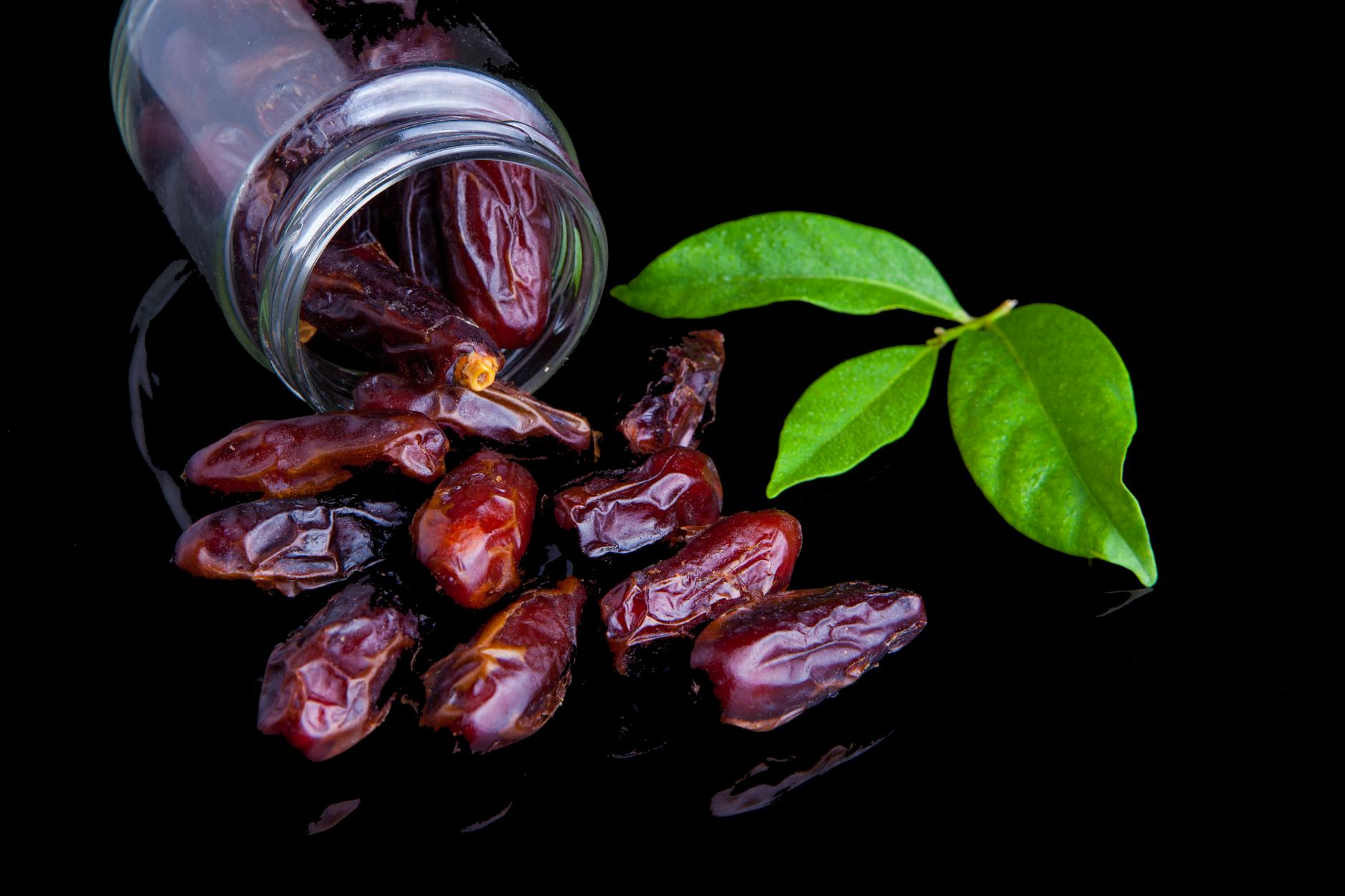
Photo by Riki Risnandar on Pexels.com

In the quest for healthier living, many have turned to natural sweeteners to replace refined sugar. Dates often top the list as a nutrient-dense, natural alternative—packed with fiber, vitamins, and antioxidants. However, despite these appealing qualities, dates are also loaded with sugar. In this blog, we dig into the hidden truth behind dates and why they might not be the magic alternative for cutting down your sugar intake that many believe.


The Nutritional Breakdown: More Than Just a Sweet Treat

Dates are celebrated for their impressive nutrient profile. They provide a good dose of dietary fiber, potassium, magnesium, and a variety of antioxidants. For example, 100 grams of dates contain around 8–9 grams of fiber, which can help slow the absorption of sugar into the bloodstream. This feature is often cited as evidence that dates are a “better” sugar. However, this nutrient bonus doesn’t erase one critical fact: dates are extremely high in natural sugars.

Quick Comparison:

NutrientDates (100g)Refined Sugar (100g)
Calories~277 calories~387 calories
Total Sugar Content~63–70 grams~100 grams (pure sucrose)
Dietary Fiber~8–9 grams0 grams
Additional NutrientsVitamins, minerals, antioxidantsNone

While dates offer fiber and micronutrients, they still deliver a hefty sugar punch, which can be problematic if you’re trying to reduce your overall sugar consumption.


The Hidden Sugar Load: Natural Doesn’t Always Mean Low Sugar

It’s easy to fall for the idea that natural sugars are inherently healthier than refined sugars. Dates are certainly more complex—an entire food matrix filled with nutrients rather than empty calories. However, the natural sugars in dates (primarily glucose and fructose) can still lead to significant spikes in blood sugar levels when consumed in large amounts. This is especially concerning for those managing diabetes or trying to maintain steady energy levels throughout the day.

Many people substitute refined sugar with dates in recipes, thinking they’re making a healthier choice. While this substitution does add some nutritional benefits, it often doesn’t significantly cut down the sugar load. Consuming several dates or using date preparation products like date paste or date sugar can still contribute to high daily sugar intake.


Glycemic Concerns: The Sweet Reality

Although dates have a relatively low glycemic index compared to synthetic sugars, their high sugar content means that portion control is crucial. The fiber in dates does help moderate the glycemic response, but it doesn’t eliminate the fact that dates are calorie-dense and high in sugar. In essence, having a couple of dates is fine, but regularly using them as a primary sweetener can lead to the same issues associated with refined sugar—weight gain, energy crashes, and potential long-term metabolic damage if not consumed in moderation.


When More Isn’t Better: Overconsumption Risks

Many health enthusiasts tout dates as a daily superfood, mixing them into smoothies, baked goods, or energy bars. Yet, while a small serving can provide a nutrient boost, piling on too many dates may tip the scale towards excessive sugar and calorie intake. This is the dark side of the “healthy” label: the misconception that because a food is natural, it can be eaten without limits.

For those actively monitoring their blood sugar or trying to lose weight, relying on dates as a sugar substitute might be counterproductive. The key takeaway is that moderation is critical. While dates can be part of a balanced diet, they should be enjoyed as a treat rather than a free pass to high sugar consumption.


A Balanced Perspective: Enjoy Dates, But Mind the Portions

So, what’s the verdict? Dates do offer nutritional benefits that refined sugar lacks, but they are not a free-for-all solution for cutting sugar from your diet. If you’re looking for healthier sweetening options, consider these tips:

  • Moderation is Essential: Limit your consumption of dates and be mindful of portion sizes. A few dates a day can boost your nutrient intake without bombarding you with sugar.
  • Mix with Other Ingredients: When using dates in recipes, combine them with other low-sugar ingredients like nuts or seeds. This balance can help mitigate the sugar spike.
  • Explore Other Alternatives: Consider other natural sweeteners such as stevia or erythritol that offer sweetness without the high sugar content, especially if you need to manage your blood sugar levels.

Conclusion: Beyond the Hype

The allure of dates lies in their natural origins and rich nutrient profile, but don’t be fooled into thinking that they are a magic bullet for cutting sugar intake. Despite their many benefits, dates pack a significant amount of sugar, and overconsumption can contribute to many of the same health issues associated with refined sugars. Like many areas of nutrition, the devil is in the details—moderation and balance are key.

By embracing a balanced approach and keeping portion sizes in check, you can enjoy the unique flavors and benefits of dates without inadvertently overloading on sugar. Remember: even nature’s sweetest offerings require mindful consumption.

Flax Seeds: The Tiny Powerhouses of Nutrition

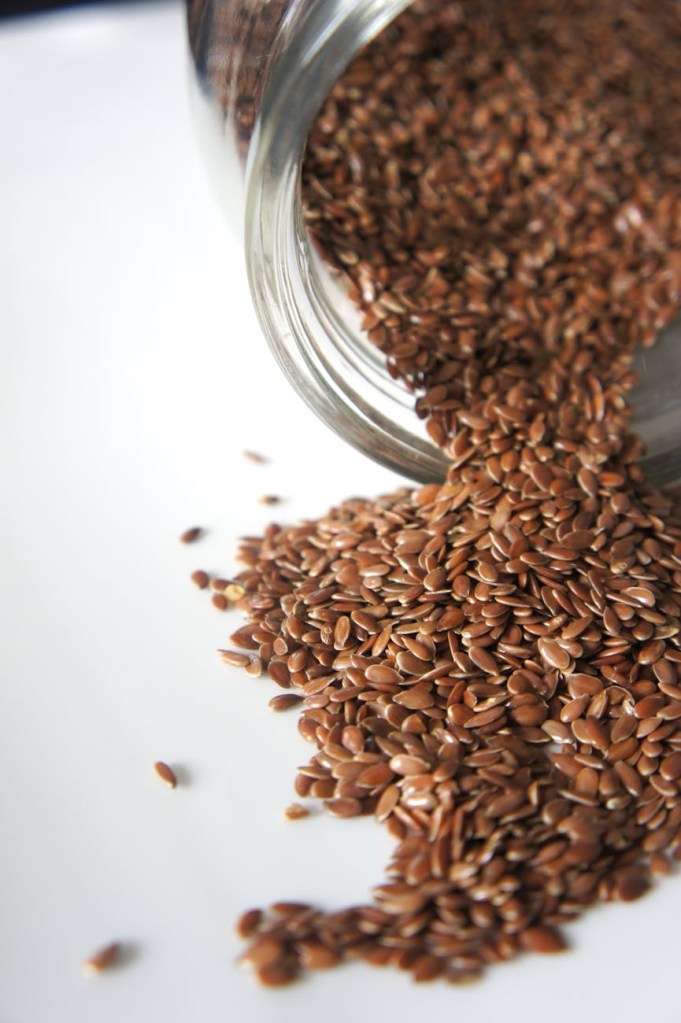
In the ever-expanding world of superfoods, flax seeds have held their ground as nutritional powerhouses for centuries. These small, golden or brown seeds are packed with essential nutrients that benefit the body in numerous ways. Whether you’re aiming for better digestion, heart health, or glowing skin, flax seeds deserve a permanent spot in your pantry.

The Nutritional Profile of Flax Seeds

Flax seeds are rich in:

  • Omega-3 Fatty Acids: These healthy fats support brain function, reduce inflammation, and promote heart health.
  • Dietary Fiber: Just a small serving provides a good dose of fiber, helping digestion and improving gut health.
  • Plant-Based Protein: A great option for vegetarians and vegans looking to boost their protein intake.
  • Lignans: These powerful antioxidants have potential cancer-fighting and hormone-balancing properties.

Health Benefits of Flax Seeds

  1. Supports Heart Health
    Flax seeds help lower cholesterol levels and reduce blood pressure, making them great for cardiovascular health.
  2. Improves Digestion
    The fiber content aids in regular bowel movements, preventing constipation and supporting gut bacteria.
  3. Helps Manage Weight
    High fiber and healthy fats contribute to satiety, helping with portion control and curbing unnecessary snacking.
  4. Regulates Blood Sugar Levels
    Flax seeds may help balance blood sugar, making them beneficial for people managing diabetes.
  5. Promotes Healthy Skin & Hair
    Their omega-3s and antioxidants help maintain hydration and reduce inflammation for a healthy glow.

How to Incorporate Flax Seeds Into Your Diet

  • Add ground flax seeds to smoothies, yogurt, or oatmeal.
  • Mix them into baked goods like muffins or bread.
  • Sprinkle them over salads or soups for an extra nutrient boost.

Final Thoughts

Flax seeds may be tiny, but their benefits are mighty. Whether you’re focused on health, weight management, or simply looking for an easy nutrition boost, they offer a simple and effective way to enhance your daily meals. Give them a try, and let their natural goodness work its magic!

Flax Seeds: The Tiny Superfood You Need in Your Life!

💡 Did you know? These little seeds are packed with omega-3s, fiber, and antioxidants—perfect for heart health, digestion, and glowing skin!

🥣 Easy Ways to Use Them:
✔ Blend into smoothies 🥤
✔ Sprinkle on oatmeal 🥣
✔ Bake into muffins 🧁

Feeling inspired? Add flax seeds to your meals and reap the benefits! 🌱✨

DIY Organic Shampoo: A Natural Way to Care for Your Hair

In a world filled with chemical-laden products, crafting your own organic shampoo is a step toward healthier hair and a healthier planet. By using natural ingredients, you can nourish your locks without worrying about harsh additives. Here’s how to create your own organic shampoo.

Photo by cottonbro studio on Pexels.com

Why Go Organic?

Organic shampoos are free from synthetic chemicals and sulfates, making them gentle on your hair and scalp. They’re also eco-friendly and customizable to suit your specific needs.

Ingredients You’ll Need

  1. Liquid Castile Soap: A natural, versatile soap base made from olive oil.
  2. Distilled Water: Ensures your shampoo has a smooth consistency.
  3. Essential Oils: Choose oils like lavender, rosemary, or tea tree for fragrance and added benefits.
  4. Coconut Oil or Olive Oil: Helps moisturize and condition your hair.
  5. Aloe Vera Gel: Adds hydration and soothes the scalp.
  6. Optional Add-ins: Honey, apple cider vinegar, or chamomile tea for specific hair concerns.

Steps to Make Your Organic Shampoo

  1. Mix the Base: Combine 1 cup of liquid Castile soap with 1 cup of distilled water.
  2. Add Essential Oils: Add 10–20 drops of your chosen essential oils for scent and benefits.
  3. Incorporate Moisturizers: Mix in 2 tablespoons of aloe vera gel and 1 tablespoon of coconut oil or olive oil.
  4. Customize: For extra hydration, add 1 tablespoon of honey. If your scalp tends to get oily, include a splash of apple cider vinegar.
  5. Blend: Stir all ingredients thoroughly and pour the mixture into a pump bottle or jar.
  6. Shake Before Use: Organic shampoos can separate over time, so give the bottle a shake before each use.

Tips for Best Results

  • Test a small amount on your skin to ensure you’re not allergic to any ingredient.
  • Store your shampoo in a cool, dark place to maintain freshness.
  • Adjust the recipe to suit your hair type—experimenting is part of the fun!

With just a few simple steps, you can transform your hair care routine into something natural and nourishing. Plus, making your own shampoo allows you to take control of what goes onto your scalp and into the environment. So why not give it a try? Your hair—and the planet—will thank you!

Like, Share, and Spread the Love! If you enjoyed learning how to create your own organic shampoo, don’t keep this secret to yourself! 💚 Like this post to show your support. 🌍 Share it with friends who love natural and eco-friendly solutions. 💬 Comment below—I’d love to hear about your DIY experiences or your favorite ingredient combinations!

Together, we can embrace healthier choices for ourselves and the planet. Let the natural revolution begin! 🌱