Artificial Intelligence (AI) is revolutionizing industries, and with it comes a wave of opportunities for those looking to earn extra income or start a new career. The best part? Many of these roles require little to no prior experience, making them accessible to a wide range of individuals. Here’s a guide to AI side hustles and companies that are hiring remotely.
Why AI Side Hustles?
AI side hustles are perfect for those who want to:
Work from home with flexible hours.
Gain experience in a rapidly growing field.
Supplement their income without committing to a full-time role.
Popular AI Side Hustles
Data Annotation: Help train AI models by labeling images, videos, or text.
Search Engine Evaluation: Evaluate search engine results for relevance and accuracy.
Transcription Editing: Edit AI-generated transcriptions for accuracy.
Content Moderation: Review and moderate content to ensure it meets guidelines.
AI Chatbot Testing: Test and provide feedback on AI-powered chatbots.
Companies Hiring Remotely (No Experience Required)
Appen: Offers roles in data annotation, transcription, and search engine evaluation.
Telus International: Provides opportunities in AI data rating, ad evaluation, and more.
Welocalize: Specializes in language-related AI tasks like translation and content localization.
Clickworker: A platform for micro-tasks, including AI data collection and categorization.
Amazon Mechanical Turk (MTurk): Offers a variety of small tasks, from data entry to image labeling.
Centific Global Solutions: Frequently hires for remote AI data collection projects.
Getting Started
Sign Up: Visit the websites of these companies and create a profile.
Complete Assessments: Many roles require you to pass a short test to demonstrate your skills.
Start Earning: Once approved, you can begin working on tasks and earning money.
Tips for Success
Stay consistent and dedicate time to your side hustle.
Take advantage of free online resources to learn more about AI and improve your skills.
Network with others in the field to discover new opportunities.
AI side hustles are a fantastic way to dip your toes into the world of artificial intelligence while earning extra income. With determination and a willingness to learn, you can turn these opportunities into a rewarding experience.
In today’s fast-paced world, many of us are searching for simple ways to relax and de-stress. Enter the trend of “drinking wine to unwind.” A glass of wine has become synonymous with easing tension—a lauded ritual that promises a moment of calm after a hectic day. But beneath the cultured veneer of “wine o’clock” lies a darker, often overlooked reality. In this blog, we explore the fad of using wine as a go-to stress reliever, delve into its cultural influences, and shed light on the potential dangers lurking behind this seemingly harmless habit.
The Allure of a Glass of Wine
Wine has long been celebrated for its rich history and cultural sophistication. Moderate consumption is often touted as part of a healthy lifestyle, with proponents claiming benefits to heart health, social bonding, and even longevity. Social media and pop culture have further amplified its status; hashtag trends like #WineOClock and #UnwindWithWine have transformed wine into an emblem of self-care and relaxation. The idea is simple: after a long day, pour yourself a glass of wine, let the stresses melt away, and embrace an effortless ritual of “unwinding.”
Yet, this popular portrayal can be deceiving. By framing wine as an essential tool for relaxation, society risks glossing over the risks of habitual drinking. While a glass of wine in moderation might seem innocuous, repeating this behavior on a daily basis can create a dangerous pattern over time.
The Dark Side: When Unwinding Becomes a Habit
Masking Underlying Stress
One of the key concerns with the “wine to unwind” trend is that it may mask the real issues behind stress. When we rely on alcohol to decompress, we aren’t addressing the root causes of our anxiety or fatigue. Instead, the relaxing effect of alcohol can create a temporary escape, allowing unresolved stress to build up. This reliance on wine can sometimes evolve into a coping mechanism that replaces more sustainable, healthier strategies for managing life’s pressures.
The Slippery Slope to Dependence
What begins as an occasional indulgence can quickly slide into a habit. Regular use of wine to deal with stress might lead to psychological dependence, where one feels unable to wind down or enjoy leisure without a drink in hand. Over time, this dependence can spiral into bigger problems such as:
Increased Tolerance: Repeated use can lead to needing more wine to achieve the same calming effect.
Physical Health Risks: What starts as “just one glass” may gradually increase, elevating the risk of liver damage, cardiovascular issues, and even certain cancers. Research has pointed out that alcohol is classified as a Group 1 carcinogen, meaning that any routine consumption carries inherent risks .
Emotional Consequences: Instead of truly relieving stress, habitual drinking may exacerbate underlying mental health issues such as anxiety and depression.
A Cultural Culprit: The Wine Mom Phenomenon
A particularly poignant example of this trend is what’s been dubbed “wine mom” culture—a social narrative where mothers, overwhelmed by the pressures of parenting, turn to a daily glass of wine as a form of self-soothing. While it might be shared in jest on social media, the normalization of using alcohol as a crutch can have serious implications. It sends a subtle message that if you’re not drinking to cope, you’re simply not handling the stress of modern life, thereby trivializing more constructive forms of stress management .
The Real Costs of “Unwinding” with Wine
Health Implications
The celebrated image of a relaxed evening with a glass of wine obscures some hard truths:
Cancer Risk: Numerous studies have highlighted that even modest alcohol consumption increases the risk of several cancers, including colon, breast, and liver cancer.
Sleep Disruption: While wine might initially make you feel drowsy, it can interfere with the quality of your sleep, leaving you less rested and more stressed over time.
Metabolic Impact: Regular alcohol consumption can contribute to weight gain and disrupt metabolic processes, impacting long-term health.
Social and Psychological Costs
The reliance on wine for stress relief can also undermine mental well-being:
Avoidance of Real Solutions: By reaching for wine instead of addressing stressors directly—whether through therapy, exercise, or mindfulness—individuals may find themselves trapped in a cycle of avoidance.
Emotional Numbing: Over time, using alcohol to manage emotions can dampen the natural ability to feel and process emotions fully, potentially leading to a diminished sense of well-being and emotional resilience.
Rethinking the Ritual: Alternatives for True Stress Relief
If the allure of a relaxing evening is so strong, why not explore healthier alternatives?
Embrace Mindfulness Practices
Meditation and Deep Breathing: These techniques foster relaxation and help address the root causes of stress by promoting mental clarity and emotional balance.
Yoga: The blend of physical movement and focused breathing can relieve stress, improve flexibility, and enhance overall mood.
Physical Activity and Nature
Exercise: Regular physical activity, be it a brisk walk, a run, or a workout at the gym, releases endorphins—often called the body’s “feel-good” hormones.
Nature Time: Spending time outdoors, whether in a park or near water, can have rejuvenating effects on both body and mind.
Creative Outlets
Journaling: Writing about your thoughts and emotions can be an effective way to process stress without resorting to alcohol.
Art and Music: Engaging in creative pursuits offers a productive distraction and a new channel for self-expression.
Social Support
Community and Connection: Instead of drinking alone, consider talking to friends or seeking support groups where stressors can be openly discussed and addressed.
Conclusion: Seeking Real Unwinders Over Quick Fixes
The trend of drinking wine to unwind is steeped in cultural allure and modern marketing, yet its darker side reveals a cautionary tale. While a glass of wine might provide a fleeting sense of relief, it can also pave the way for dependency, mask underlying issues, and contribute to serious health problems. In a world where genuine well-being is more important than ever, it might be time to reconsider our nightly rituals.
True relaxation doesn’t have to come in a bottle. By exploring healthier, more sustainable approaches to managing stress, we can break free from the quick fix of alcohol and instead cultivate habits that nourish both body and mind for the long haul.
Whether you’re a fan of that nightly glass or you’ve been caught up in the social narrative, it’s worth pausing and asking: Is this ritual really serving me? The next time you feel the urge to pour a drink to wind down, consider trying one of these alternative pathways toward a healthier state of relaxation. Your body—and your mind—will thank you.
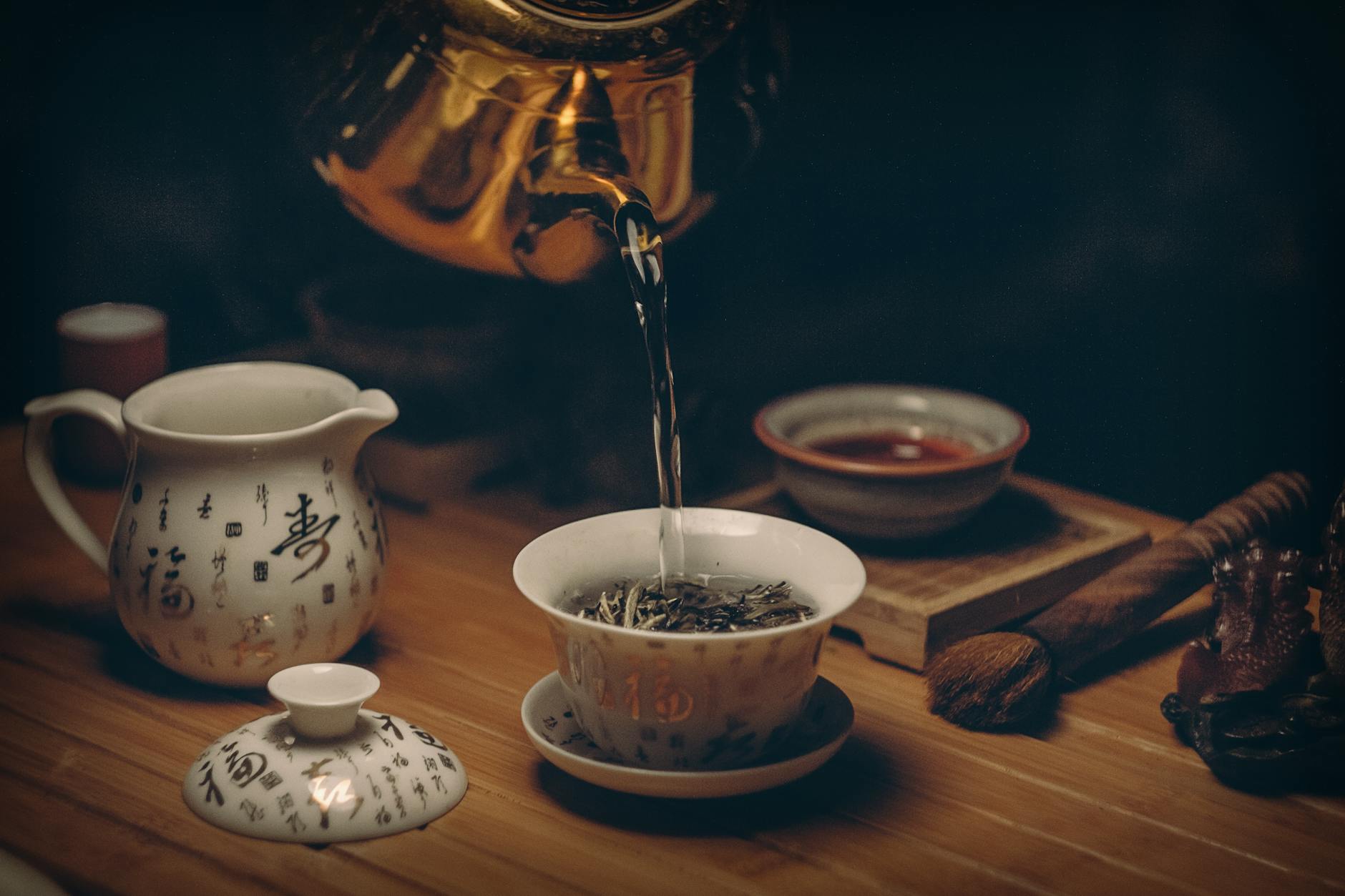
Vervaine tea—brewed from the revered vervain herb—is far more than just a comforting cup of warmth. For centuries, this ancient botanical treasure has been celebrated in folklore, traditional medicine, and even magical rituals. Today, modern wellness enthusiasts are rediscovering its potent benefits, unearthing hidden secrets that make vervaine tea a unique addition to any health routine.
A Glimpse into the Mystical History of Vervaine
Vervaine, often known by various names such as verbena, blue vervain, wild hyssop, and even the “Herb of the Cross,” has a storied past steeped in legend and tradition. Ancient civilizations—the Egyptians, Romans, Greeks, and Celtic Druids—valued vervain for its purifying qualities and protective magic. Myth even has it that vervain was used to dress the wounds of the crucifixion, imbuing the herb with an aura of sacred healing.
In medieval Europe, apothecaries and herbalists harnessed its healing power for a range of ailments, while mystics and witches revered it in spells and rituals aimed at love, purification, and protection. This rich history continues to influence how modern practitioners view and use vervaine tea as both a wellness remedy and a spiritual tonic.
The Science-Backed Health Benefits of Vervaine Tea
1. Natural Anti-Inflammatory and Antispasmodic Power
Modern studies have revealed that vervain contains bioactive compounds such as flavonoids and alkaloids. These potent antioxidants help combat oxidative stress, reduce inflammation, and ease muscle spasms. Enjoying a warm cup of vervaine tea may soothe digestive discomfort and calm an upset stomach, making it a gentle remedy for everyday aches.
2. Stress Relief and Anxiety Reduction
The calming aroma and relaxing properties of vervaine tea have made it a cherished ally during stressful times. Its natural compounds work synergistically to help lower anxiety levels, promote mental clarity, and foster a sense of inner calm. In today’s fast-paced world, a daily ritual of vervaine tea can act as a mini retreat for the mind.
3. Immune System Support
Packed with antioxidants, vervaine tea supports your body’s natural defenses. By neutralizing free radicals, these powerful compounds help maintain overall cellular health and boost immune function. Regular consumption may contribute to a more resilient system, better equipped to fend off seasonal ailments.
4. Digestive Harmony
Beyond its anti-inflammatory prowess, vervaine tea is often used to encourage smooth digestion. The tea’s soothing qualities can help alleviate symptoms of indigestion and bloating, supporting a healthy and balanced gut. It’s an ideal beverage to accompany meals or enjoy on a relaxing afternoon.
Beyond Physical Health: The Spiritual and Magical Dimensions
One of the most enchanting aspects of vervaine tea lies in its spiritual legacy. For generations, vervain has been associated with:
Purification: Rituals often involve burning vervain or preparing it as an infusion to cleanse spaces and ward off negative energies.
Protection: Many cultures believe that vervain offers a protective shield against harm and misfortune, making it a popular herb in talismans and spells.
Emotional Healing: Its gentle, restorative energy is thought to help heal emotional wounds, facilitating self-love and transformation.
Whether you’re drawn to vervaine tea for its medicinal benefits or its deeper, mystical symbolism, this herb invites you to embrace a holistic approach to wellness—one that nourishes both body and spirit.
Brewing the Perfect Cup: Tips and Tricks
To unlock the full spectrum of vervaine’s benefits, preparing your tea mindfully is essential:
Select Quality Leaves: Look for organically grown vervain, free from pesticides. Dried vervain leaves are ideal for tea infusions.
Steep with Intention: Boil water and pour it over a teaspoon of dried vervain per cup. Allow the tea to steep for 5–7 minutes. The longer the steep, the richer the infusion.
Enhance the Experience: Add a squeeze of lemon or a drizzle of honey to complement the herb’s natural flavor, or blend it with other calming herbs like chamomile.
Create a Ritual: Enjoy your vervaine tea in a quiet space. Whether during meditation or a reflective moment at the end of the day, let the process become a soothing ritual that grounds you.
Integrating Vervaine Tea into a Modern Lifestyle
Incorporating vervaine tea into your daily routine can be a transformative act of self-care. Here are some creative ideas to make this ancient elixir a part of your modern lifestyle:
Morning Mindfulness: Begin your day with a warm cup of vervaine tea to set a calm, focused tone.
Midday Break: Replace your afternoon coffee with vervaine tea for a gentle pick-me-up that won’t over-stimulate.
Evening Wind-Down: Use vervaine tea as a natural way to transition into relaxation mode before bedtime.
Ritual Restorations: Combine your tea-drinking practice with a brief meditation or journaling session to deepen the herbal healing ritual.
Conclusion: Embrace the Hidden Secrets of Vervaine
From its storied history and magical lore to its impressive range of health benefits, vervaine tea stands as a testament to nature’s enduring wisdom. Its anti-inflammatory, stress-relieving, and digestive-supporting properties make it a powerful ally in the journey toward holistic wellness. By incorporating this ancient herbal elixir into your routine, you’re not only nurturing your body but also connecting with a tradition of healing that spans millennia.
So, why not brew a cup today? Allow the hidden secrets of vervaine tea to transform your health, uplift your spirit, and evoke a touch of ancient magic—one sip at a time.
A clean and organized home isn’t just about aesthetics—it’s about peace, clarity, and making space for creativity and connection. But keeping a house tidy doesn’t have to feel like an endless chore; with a thoughtful approach, maintaining order can be seamless and even fulfilling. Here are some ways to embrace a mess-free lifestyle in a way that feels natural and rewarding.
1. Embrace the “One-Minute Rule”
If a task takes less than a minute, do it immediately. Whether it’s putting away a jacket, wiping down a counter, or tossing mail into a designated basket, small actions prevent clutter from piling up. The beauty of this method is that it eliminates those minor messes that would otherwise grow into major ones.
2. Curate, Don’t Accumulate
A messy house is often a sign of excess. Thoughtfully decluttering by asking, “Does this item add value to my space?” helps avoid unnecessary accumulation. When everything in your home has a purpose, tidiness becomes effortless.
3. Designate “Landing Zones”
Creating intentional spaces for everyday items can prevent misplaced belongings from taking over. A stylish tray for keys, a basket for blankets, or a shelf for shoes helps keep things in order while adding a touch of design to your space.
4. Make Cleaning a Ritual, Not a Chore
Transform tidying into an enjoyable habit—play music while you clean, set a timer for quick decluttering bursts, or integrate it into your morning and evening routines. When cleaning feels less like an obligation and more like a rhythm of life, it becomes second nature.
5. Adopt the “Reset Mindset”
Before leaving a room, take a quick moment to reset it. Straighten the pillows, put away stray items, and ensure surfaces are clear. This simple practice ensures that no area ever becomes overwhelmingly messy.
6. Avoid the “Just for Now” Mentality
Clutter often sneaks in when we think, “I’ll deal with this later.” Instead, make a habit of finishing tasks in real time—whether it’s hanging up clothes instead of draping them over a chair or washing dishes right after a meal.
7. Involve Your Space in Your Routine
The key to a consistently tidy home is integrating it into your daily life. If you enjoy journaling, ensure your notebook has a dedicated spot. If you love to cook, keep your utensils organized for easy access. When your home flows with your habits, it naturally stays functional and uncluttered.
Final Thoughts
A thoughtfully tidy home isn’t about rigid rules or perfection—it’s about cultivating a space that supports your best self. By making small, intentional choices every day, you create an environment that feels inviting, calming, and truly yours.
Have you ever paused during a busy day to wrap your arms around a sturdy trunk, feeling the textured bark and grounding energy of a living tree? Hugging a tree is more than a whimsical gesture—it’s a practice that connects you with nature, soothes the mind, boosts physical health, and nurtures your spirit.
The Timeless Connection Between Humans and Trees
For centuries, people have found solace in nature. Trees, with their deep roots and sprawling branches, symbolize stability, growth, and renewal. When you hug a tree, you are not only embracing nature’s beauty—you’re also reconnecting with an innate part of your human heritage. This connection can help you rediscover balance and inner peace in today’s fast-paced world.
Physical Benefits: More Than Just a Warm Embrace
Reduced Stress and Lowered Blood Pressure
Research in nature therapy and practices like Shinrin Yoku (forest bathing) reveal that spending time among trees can significantly reduce cortisol levels. Hugging a tree amplifies this effect by fostering deep, mindful interactions with nature. The physical act of embracing a tree helps slow your heart rate, lower your blood pressure, and create a state of calm that lingers long after you step away.
Boosted Immunity Through Phytoncides
Trees release natural chemicals called phytoncides—a defense mechanism that protects them against bacteria. These airborne compounds have been shown to boost the human immune system, increasing the count of beneficial white blood cells. Direct exposure to these compounds through close contact with trees can support your body’s natural defenses, contributing to better overall health.
Mental and Emotional Benefits: A Natural Mood Enhancer
Enhanced Mindfulness and Stress Relief
In our always-on, digitally dominated lives, mindfulness has become a rare commodity. Hugging a tree invites you to slow down, breathe deeply, and be fully present in the moment. This surge of mindful awareness can help diffuse anxiety, alleviate stress, and foster a meditative state, making it easier to navigate daily challenges.
Uplifted Mood and Emotional Healing
Embracing the natural world can have profound emotional benefits. Many who practice tree hugging report feeling more grounded, happy, and spiritually connected. Whether you’re seeking relief from the pressures of modern life or longing for a touchstone of inner strength, the simple act of connecting with nature can spark joy and rejuvenation.
Spiritual and Energetic Benefits: Aligning with Mother Earth
Tapping Into Earth’s Energetic Frequency
Trees are living, breathing entities with an energy that has captivated cultures around the world. Around the globe, traditions celebrate tree hugging as a way to absorb Earth’s sustaining energy, allowing you to feel more vigorous, inspired, and connected to the cycles of life. This energetic exchange can be a powerful reminder of your place in the larger tapestry of nature.
A Gateway to Self-Reflection and Personal Growth
Hugging a tree is also an invitation to look inward. The gentle support of a tree can provide a quiet moment for self-reflection and introspection. This natural form of therapy can promote emotional healing and act as a catalyst for personal growth—helping you shed negative energies and embrace a more positive, resilient version of yourself.
How to Embrace the Practice of Tree Hugging
Find Your Tree: Look for a tree that calls out to you—perhaps an ancient oak or a graceful willow. Trust your intuition to guide you.
Take Off Your Shoes: Connect more deeply by feeling the earth beneath your feet.
Approach Slowly: Walk up to the tree and wrap your arms around its trunk. Feel free to let your body settle into the embrace.
Breathe and Reflect: Close your eyes, breathe deeply, and allow the natural rhythm of the tree’s heartbeat to sync with your own.
Stay for a Few Moments: Even a brief pause can be powerful. Allow yourself to fully absorb the tree’s energy, and then thank it for the support it offers.
Conclusion
Hugging a tree is a simple, natural way to nurture your body, mind, and spirit. It’s an invitation to step away from the chaos of everyday life and rediscover a sense of balance through the healing power of nature. Whether you seek reduced stress, enhanced immunity, or a deeper emotional connection, embracing the practice of tree hugging is a beautiful way to reconnect with Mother Earth and realign your inner energy.
Embrace the beauty of nature—find a tree, give it a hug, and let the healing begin.
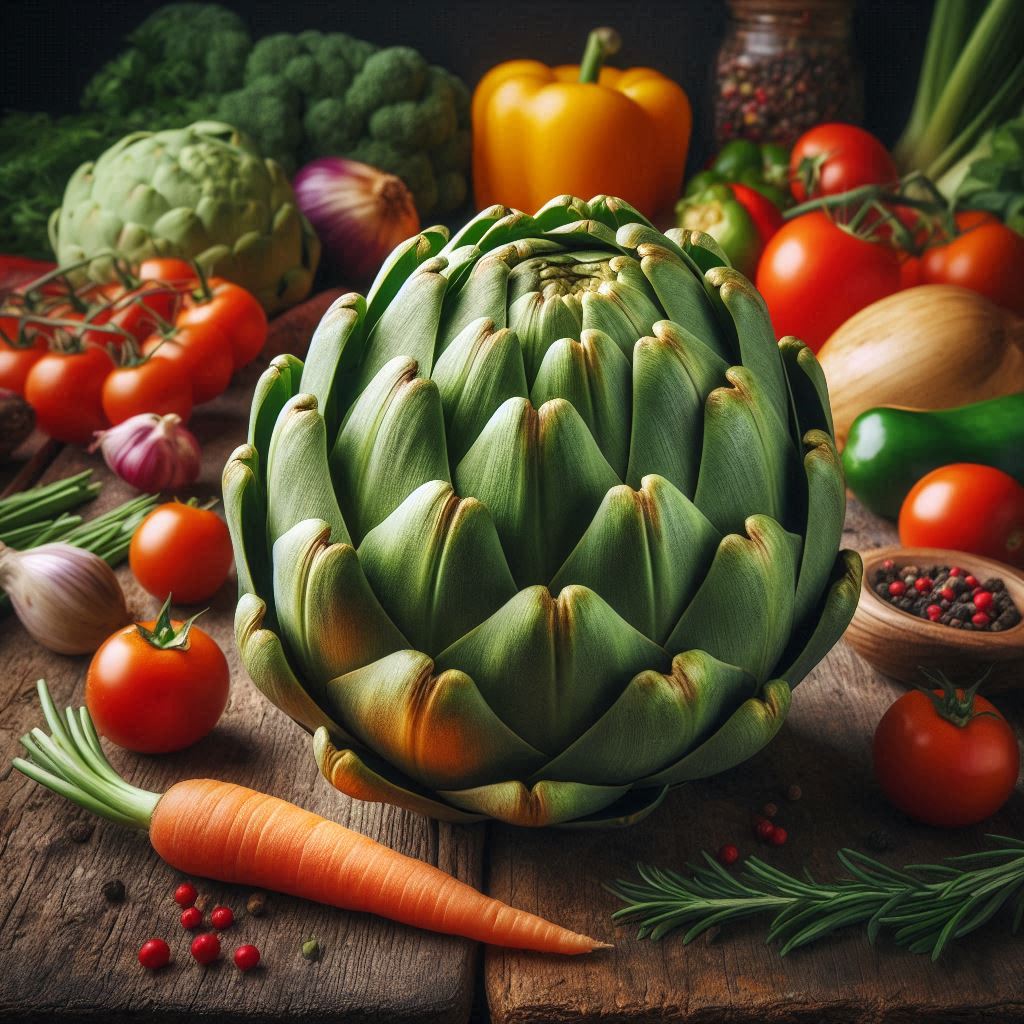
Artichoke root may not be the part of the artichoke that’s most commonly celebrated, but emerging research and traditional remedies paint a compelling picture of its health benefits. Often overshadowed by the artichoke bud and leaf extracts, the root holds unique properties that can support various aspects of your well-being, from digestion and liver detoxification to cholesterol management and antioxidant protection. In this blog, we’ll delve into the remarkable benefits of artichoke root and explore practical ways to incorporate it into your daily routine.
A Nutritional Powerhouse in a Hidden Package
While artichoke root might not feature prominently on your dinner plate, it’s packed with nutrients and bioactive compounds that contribute to its remarkable health benefits. Some of the key components include:
Antioxidants: Artichoke root contains powerful antioxidants such as cynarin, chlorogenic acid, and flavonoids that help combat oxidative stress and protect cells from damage.
Fiber: The root is a good source of dietary fiber, aiding in digestive health and promoting steady blood sugar levels.
Polyphenols: These compounds support anti-inflammatory pathways, contributing to overall wellness and long-term health.
By harnessing these components, artichoke root not only adds nutritional value but may also serve as a natural remedy for several common health concerns.
Boosting Digestive Health and Bile Production
One of the standout benefits of artichoke root is its ability to support digestive function. Historically used in traditional medicine, artichoke extracts have been credited with improving the flow of bile from the liver. Bile is essential for the digestion of fats and the absorption of fat-soluble vitamins. Enhanced bile production can lead to:
Improved Fat Digestion: Helping break down fats more efficiently, which is particularly beneficial after a rich meal.
Reduced Bloating and Discomfort: By promoting a smoother digestive process, artichoke root may help alleviate symptoms such as bloating and gas.
Detoxification Support: Increased bile flow aids in the removal of toxins from the body, contributing to overall digestive health.
Incorporating artichoke root into your diet—even in supplement or tea form—might help keep your digestive system running smoothly and efficiently.
Liver Detoxification and Cholesterol Regulation
Modern research has increasingly focused on the liver-supporting properties of artichoke extracts. Artichoke root, like its leaf counterpart, has been shown to promote liver health by stimulating bile production and offering antioxidant protection. The benefits include:
Liver Detoxification: Enhanced bile flow supports the liver’s natural ability to clear toxins, potentially reducing the risk of liver-related conditions.
Cholesterol Management: Research indicates that compounds in artichoke extract can help lower total cholesterol and low-density lipoprotein (LDL) levels. By improving the breakdown and excretion of cholesterol, artichoke root may contribute to a healthier cardiovascular profile.
Anti-inflammatory Effects: The polyphenols present in artichoke root help reduce inflammation, a factor that can contribute to both liver dysfunction and cardiovascular issues.
These benefits not only support liver function but may also aid in maintaining balanced blood lipid levels—an essential aspect of heart health.
Antioxidant Power for Cellular Protection
Oxidative stress caused by free radicals is a major contributor to aging and chronic diseases, including heart disease and cancer. The antioxidants in artichoke root play a crucial role in neutralizing these harmful molecules. This antioxidant protection can lead to:
Cellular Health: By reducing oxidative damage, the compounds in artichoke root help maintain the integrity of cells and tissues.
Anti-Aging Benefits: Regular consumption of antioxidant-rich foods and supplements is associated with a slower aging process and reduced inflammation.
Enhanced Immune Function: A robust antioxidant defense supports your body’s overall immune response, helping protect against infections and illnesses.
Incorporating artichoke root into your wellness regimen is an effective way to harness natural antioxidant power and protect your long-term health.
Supporting Weight Management and Blood Sugar Balance
Another intriguing benefit of artichoke root is its potential role in managing weight and regulating blood sugar levels. The high fiber content not only promotes satiety—helping you feel fuller for longer—but also slows the absorption of sugars in the bloodstream. The advantages include:
Stable Energy Levels: Gradual sugar absorption can prevent spikes and crashes in blood glucose, leading to more consistent energy throughout the day.
Aid in Weight Management: A diet rich in fiber supports healthy digestion and may reduce overeating by curbing hunger.
Enhanced Metabolic Health: Maintaining balanced blood sugar levels is key to overall metabolic function and can reduce the risk of developing type 2 diabetes.
Whether consumed as a supplement, tea, or added to recipes in powdered form, artichoke root can serve as a supportive tool in a holistic weight management plan.
Traditional Uses and Modern Research
Artichoke root has long been recognized in traditional herbal medicine for its benefits in promoting digestion and liver function. Modern scientific investigations are now validating these traditional uses. Studies have observed that artichoke extracts improve bile secretion and help lower cholesterol levels, highlighting the therapeutic potential of artichoke root compounds. While most research has focused on the leaves and buds, the root contains many of the same bioactive compounds that contribute to these health benefits.
Case studies and clinical trials have shown that:
Supplementation with artichoke extracts (which often include compounds from the root) can lead to reduced LDL cholesterol and improved liver function.
Dietary interventions incorporating artichoke-derived components have resulted in better digestive function and enhanced antioxidant status in participants.
These findings underscore the potential of artichoke root as a natural remedy for improving various aspects of health.
How to Incorporate Artichoke Root into Your Diet
If you’re interested in tapping into the health benefits of artichoke root, here are some practical ways to do so:
Supplements: Artichoke root extract is available in capsule or liquid form. Look for products standardized for active compounds like cynarin to ensure quality and potency.
Herbal Teas: Some health food stores offer teas blended with artichoke root, which can be a soothing way to enjoy its benefits.
Powdered Form: Artichoke root powder can be added to smoothies, soups, or sauces, blending easily into your favorite recipes.
Always consult with a healthcare professional before starting any new supplement regimen, especially if you have underlying health conditions or are taking medications.
Conclusion
Artichoke root is emerging as a hidden gem in the world of natural health. With its rich nutritional profile, powerful antioxidant properties, and multifaceted benefits for digestion, liver detoxification, cholesterol regulation, and even weight management, it offers a host of advantages that traditional medicine has celebrated for centuries. Whether you choose to incorporate it as a supplement, herbal tea, or culinary ingredient, tapping into the benefits of artichoke root can be a delicious and nutritious step toward overall wellness.
Embrace nature’s secret to better health and consider adding artichoke root to your daily wellness routine. Your body might thank you for it!
Okra—often affectionately known as “lady’s finger”—is much more than a versatile ingredient in Southern cooking. This unassuming green vegetable is a nutritional powerhouse brimming with vitamins, minerals, antioxidants, and fiber. Whether you enjoy it in soups, stews, or stir-fries, okra offers a broad array of health benefits that can support overall wellness. In this blog post, we dive deep into why adding okra to your diet might be one of the healthiest choices you can make.
1. Nutritional Powerhouse
Okra packs a potent nutritional punch. One cup of raw okra provides a host of essential vitamins and minerals, including:
Vitamin C for immune support and skin health
Vitamin K for proper blood clotting and bone health
Vitamin A to promote healthy vision and cell growth
Folate which is crucial for cell division and particularly beneficial during pregnancy
Magnesium and Potassium for maintaining healthy blood pressure and nerve function
This impressive micronutrient profile makes okra an excellent addition to a balanced diet, supplying many of the components necessary for optimal health .
2. Powerful Antioxidant Protection
Okra is rich in a variety of antioxidants, including polyphenols, flavonoids, and carotenoids. These antioxidants help the body neutralize free radicals, reducing oxidative stress and lowering the risk of chronic diseases such as heart disease and certain cancers. Regular consumption of antioxidant-rich foods like okra can improve cell function and may even slow the aging process .
3. Digestive Health Booster
One of okra’s standout features is its high fiber content, both soluble and insoluble. The soluble fiber in okra forms a gel-like substance (mucilage) during digestion that aids in smooth bowel movement, helping to prevent constipation and promote overall gut health. A well-functioning digestive system is crucial not only for nutrient absorption but also for detoxifying the body .
4. Weight Management Ally
If you’re looking to manage your weight, okra can be a great addition to your meals. Its high fiber content means it takes longer to digest, so you feel full for a longer period. Moreover, okra is low in calories; incorporating it into your meals helps satisfy hunger without adding excessive calories, thus supporting healthy weight loss or maintenance .
5. Cholesterol Control
Okra’s mucilaginous texture does more than create comforting, thickened soups—it can also help manage cholesterol levels. The soluble fiber in okra binds with bile acids in the digestive system, leading to their excretion. As a result, the liver uses circulating cholesterol to produce more bile acids, which can help lower overall blood cholesterol levels and promote a healthier heart .
6. Blood Sugar Stabilizer
For individuals keen on managing blood sugar levels, okra’s low-calorie, high-fiber profile is particularly beneficial. The fiber slows the absorption of sugar into the bloodstream, helping to prevent rapid spikes and crashes in blood glucose. Incorporating okra into your diet might be especially helpful for those with type 2 diabetes or anyone looking to maintain steady energy levels throughout the day .
7. Cardiovascular Health
A combination of antioxidants, fiber, and low-calorie content makes okra an excellent food for maintaining heart health. By helping to control cholesterol and supporting healthy blood sugar levels, okra indirectly reduces the risk of heart disease. Furthermore, the potassium content in okra aids in regulating blood pressure, making it a heart-friendly food choice .
8. Anti-Inflammatory Properties
Okra contains compounds that may help fight inflammation in the body. Chronic inflammation is linked to a number of health issues such as arthritis, cardiovascular disease, and even some cancers. By incorporating anti-inflammatory foods like okra into your diet, you can support a more balanced inflammatory response and overall wellness.
9. Cancer-Preventive Potential
Emerging research suggests that the antioxidants and lectins present in okra may play a role in cancer prevention. Antioxidants help reduce the risk of cell and DNA damage, while lectins have been studied for their ability to inhibit cancer cell growth and induce apoptosis (programmed cell death) in malignant cells. Although more research is needed, the promising properties of okra’s bioactive compounds may contribute to a lower cancer risk .
10. Versatility in the Kitchen
Beyond its impressive health benefits, okra is a versatile food that can be easily integrated into a variety of dishes. Its unique mucilaginous texture makes it perfect for thickening soups and stews, and it can also be lightly sautéed, grilled, or even pickled. Its mild flavor allows it to absorb the spices and ingredients it’s cooked with, making it a delightful addition to many culinary traditions around the globe.
Conclusion
From boosting your digestive health and supporting weight management to offering antioxidant protection and promoting heart health, okra is a true superfood with numerous benefits. Whether you’re a seasoned chef or a kitchen newbie, incorporating okra into your diet is an easy and delicious way to enhance your overall health. So next time you’re shopping, consider giving okra a try—you might just discover a new favorite way to nourish your body.
By embracing this nutrient-dense vegetable, you’re not just adding variety to your meals—you’re taking a proactive step towards a healthier, more balanced lifestyle. Enjoy the many benefits of okra and watch your wellness flourish!
In a world where excessive sugar intake is linked to obesity, diabetes, and dental problems, many are on the hunt for healthier alternatives. One rising trend is switching from sugary treats to sugar-free gummies. These tasty, convenient snacks not only curb your sweet cravings but also help reduce your overall sugar consumption. In this post, we’ll explore the health benefits of sugar-free gummies, discuss real-life examples and case studies, and offer practical tips for incorporating them into your daily routine.
The Downside of Excessive Sugar
Sugar is everywhere—in sodas, candies, and even seemingly healthy snacks. Overconsumption of sugar can lead to:
Weight Gain and Obesity: Excess sugar means extra calories, which can contribute to accumulating fat.
Blood Sugar Spikes: High sugar levels can disrupt insulin production and increase the risk of type 2 diabetes.
Dental Issues: Sugary foods often lead to cavities and tooth decay by promoting harmful bacteria growth in your mouth.
Reducing sugar isn’t just about cutting calories; it’s about protecting your body from long-term health risks. This growing awareness is driving many to seek out healthier alternatives like sugar-free gummies.
What Are Sugar-Free Gummies?
Unlike traditional gummies loaded with added sugars, sugar-free gummies are formulated with low or no sugar and are often sweetened with natural alternatives such as monk fruit, stevia, or erythritol substitutes that typically have a lower caloric count. These gummies still deliver the familiar chewy texture and sweet taste without the health drawbacks of conventional sugar.
Many adults have started incorporating sugar-free gummies not only as a guilt-free snack but also as a convenient way to enjoy essential vitamins and dietary supplements. Their appeal lies in their ability to provide a satisfying treat while simultaneously helping curb excessive sugar consumption.
Health Benefits of Sugar-Free Gummies
1. Weight Management and Caloric Control
Sugar-free gummies are an excellent way to reduce calorie intake. By replacing high-sugar candies, you can satisfy sweet cravings without the extra calories that often lead to weight gain.
2. Blood Sugar-Friendly
For those managing diabetes or aiming to stabilize energy levels, sugar-free options help prevent the steep blood sugar fluctuations common with sugary snacks. Many sugar-free gummies are designed to have minimal impact on blood glucose levels, making them a smart choice for long-term health.
3. Dental Benefits
Regular consumption of high-sugar products can erode dental health over time. Switching to sugar-free gummies helps lower the risk of cavities and tooth decay since they don’t promote the growth of cavity-causing bacteria.
4. Natural and Nutritious
Many brands focus on using natural sweeteners and quality ingredients, sometimes adding vitamins, minerals, or antioxidants that further boost your overall nutritional intake. This makes sugar-free gummies a dual-purpose snack—satisfying your sweet tooth while supplementing your diet with essential nutrients.
Real-Life Case Studies Highlighting the Benefits
Case Study 1: The KUDO Snacks Approach
A case study published by KUDO Snacks shows that adults using their sugar-free gummies experienced a significant reduction in daily sugar intake. The gummies were formulated with natural sweeteners, ensuring that each serving contained less than 5 grams of sugar. Participants reported feeling more energetic and experiencing fewer sugar crashes than when consuming regular gummies .
Case Study 2: Peak Gummies and Diabetes Management
Research highlighted on a wellness platform detailed how sugar-free gummies, particularly those sweetened with monk fruit, effectively supported blood sugar control in diabetic individuals. Users noted that the absence of added sugars, as well as the inclusion of beneficial nutrients, helped them avoid the drastic blood sugar spikes commonly associated with traditional sugary snacks .
Case Study 3: Real User Testimonials
Individuals managing type 2 diabetes have shared their experiences with sugar-free gummies in various online forums. Many report that using these gummies as a regular snack helped them curb unhealthy sugar cravings while keeping their blood sugar levels more stable. These testimonials underscore the potential of sugar-free gummies as a practical tool for maintaining a balanced diet .
How to Incorporate Sugar-Free Gummies into Your Lifestyle
Substitute Your Sugary Snacks: Replace your usual candy or other high-sugar snacks with sugar-free gummies to reduce your daily sugar intake.
Snack Wisely: Use them as a mid-afternoon snack to keep your energy levels balanced without the sugar crash.
Supplement Your Diet: Look for gummies that include additional vitamins or minerals to boost your overall nutrient intake.
Read the Labels: When choosing sugar-free options, check for natural sweeteners and minimal artificial additives to ensure you’re truly benefiting your health.
Conclusion
Embracing sugar-free gummies can be a game-changer for anyone looking to cut down on excess sugar without sacrificing the satisfaction of a sweet treat. With the benefits ranging from improved weight management and blood sugar stability to better dental health, these innovative snacks are paving the way for a healthier, more balanced lifestyle. Whether you’re managing diabetes or simply trying to make smarter dietary choices, sugar-free gummies offer a delicious solution that helps you avoid the pitfalls of too much sugar.
Have you tried sugar-free gummies? Share your experience and favorite brands in the comments below!
Across modern relationships, a shift is emerging—women are increasingly drawn to men who display sensitivity, emotional intelligence, and vulnerability. Traditional masculinity is evolving, and the case studies in contemporary research reveal that these often-overlooked traits are instrumental in fostering deep and meaningful connections.
Redefining Masculinity in Modern Times
For decades, traditional stereotypes painted mature masculinity with stoicism and emotional restraint. Today, however, many women find authentic emotional expression refreshing and attractive. Sensitive men are redefining what it means to be masculine by actively embracing vulnerability. Their willingness to open up not only fosters mutual trust but also creates a safe space for deeper emotional connection.
Case Study 1: Identity Development in Highly Sensitive Men
A notable case study comes from a dissertation conducted by researchers at the University of Rochester. In the study titled The Identity Development and Gender Socialization Experiences of Highly Sensitive Men, 14 highly sensitive men were interviewed about their journeys navigating dominant masculine norms. The study highlighted how many of these men, despite feeling marginalized, eventually found that embracing their sensitivity led to a more secure sense of identity and stronger relationships. One participant recounted how, after years of suppressing his emotions, learning to express vulnerability transformed his relationship with his partner. The resulting trust and emotional intimacy underscored that being emotionally open can be a powerful strength in romantic relationships .
Case Study 2: The Attraction of Ambiguity and Vulnerability
Another illuminating study published in Psychological Science explored the allure of uncertainty in romantic attraction. Researchers discovered that women often perceive men who express a nuanced blend of vulnerability and confidence as more intriguing. In one instance, a group of female undergraduates reported heightened attraction toward men who presented ambiguous signs of interest—interpreted as an emotional openness rather than a show of overt confidence. This finding suggests that when men allow themselves to be less rigid and more expressive (while still maintaining decisiveness), they tap into an attractive quality that many women seek in relationships .
Psychological Underpinnings: Attachment and Emotional Intelligence
The appeal of sensitive men can be explained through the lens of attachment theory. Early emotional experiences shape our capacity for intimacy, and men who are in tune with their emotions often excel in building secure attachments. Their ability to provide empathetic support and understand their partner’s emotions further strengthens these bonds. Many relationship experts note that effective communication—rooted in empathy and openness—is the cornerstone of lasting connections. When a man is able to articulate his feelings and respond to his partner’s needs with warmth, he creates a resilient foundation built on trust and mutual respect.
The Power of Vulnerability: A Gateway to Authentic Love
Vulnerability, once misinterpreted as weakness, is increasingly seen as an emblem of authenticity in modern relationships. Sensitive men who dare to reveal their inner selves often establish a more genuine relational atmosphere. This openness invites partners to be less guarded and more forthcoming with their own emotions. In practice, it has been observed that couples where the male partner exhibits emotional transparency tend to navigate conflicts more constructively and enjoy deeper emotional satisfaction together.
Practical Benefits of Embracing Sensitivity
Enhanced Communication: Sensitive men tend to be clearer in articulating emotions, which reduces miscommunication and fosters closeness.
Improved Conflict Resolution: With a balanced approach of vulnerability and decisiveness, conflicts are met with understanding rather than defensiveness.
Emotional Security: When both partners feel safe expressing their true selves, the relationship benefits from a stronger, more trusting bond.
Mutual Growth: Openness in sharing feelings paves the way for individual and relational growth, creating a dynamic where both partners learn and evolve together.
Conclusion
The evolving landscape of modern relationships underscores that emotional sensitivity in men is not only acceptable—it’s profoundly attractive. Case studies from the University of Rochester and research published in Psychological Science illustrate that vulnerability and self-awareness have become indispensable qualities for fostering genuine, fulfilling relationships. Women appreciate sensitive men because their openness provides a counterbalance to traditional stoicism, paving the way for secure attachment, effective communication, and ultimately, authentic love.
: The identity development and gender socialization experiences study (University of Rochester). : “He Loves Me, He Loves Me Not…” study, Psychological Science.
We all know that true beauty radiates from the inside out, and part of that inner glow is feeling confident and fresh in every way—even in the most intimate parts of your body. While modern beauty products promise quick fixes, nature offers a long-lasting secret: a diet rich in certain fruits can support not only overall health but may also promote a naturally pleasant scent and enhanced radiance down there.
The Diet-Beauty Connection
Our bodies are complex ecosystems where every food we consume plays a role in maintaining our internal balance. A well-rounded diet, especially one that includes plenty of fruits, delivers vitamins, antioxidants, enzymes, and essential nutrients that help regulate pH levels, support detoxification, and even influence body chemistry. While research on diet and vaginal scent is still evolving, numerous women have discovered that eating certain fruits may enhance their natural aroma and add an unexpected beauty boost.
Pineapple: The Superstar of Freshness
Pineapple has long garnered attention as the quintessential “beauty fruit.” Rich in vitamin C, manganese, and an enzyme called bromelain, pineapple not only aids digestion but is also renowned in popular culture for its reputed ability to improve the natural scent. Although scientific research on this phenomenon is limited, many women swear by the anecdotal benefits of adding pineapple to their diets. By supporting overall detoxification and hormonal balance, pineapple may help maintain a fresh, subtle natural fragrance and a vibrant inner glow.
Papaya: The Enzyme and Vitamin Powerhouse
Another fruit that stands out in beauty circles is papaya. Packed with the enzyme papain, papaya is celebrated for its ability to gently exfoliate and renew skin cells. Its high vitamin A and C content also nurture radiant skin and can contribute to a well-balanced internal environment. Naturally, when your body thrives on nutrient-dense fruits like papaya, every system—including those responsible for maintaining a healthy vaginal microbiome—benefits, resulting in a more harmonious and fresh internal scent.
Citrus Fruits: A Burst of Vitamin C for Your Body
Oranges, lemons, and grapefruits are more than a refreshing treat. Their immense vitamin C content not only boosts collagen production and immune wellness but also aids the body in flushing out toxins. By keeping your system well-hydrated and balanced, citrus fruits can contribute to improved skin health and potentially a naturally pleasant fragrance. Adding a squeeze of lemon to your water or enjoying a tangy orange not only revitalizes you internally but also supports overall well-being.
Berries and Kiwi: Antioxidant-Rich Gems
Berries—like strawberries, blueberries, and raspberries—along with kiwi, brim with antioxidants and vitamins that fend off free radicals. These nutrients are vital for maintaining proper cellular function and reducing inflammation. When your body is functioning optimally at the cellular level, it reflects in every facet, including your natural scent. Antioxidant-rich fruits help cleanse your system and support a balanced internal environment, which may subtly enhance the way you feel and even how you smell.
For Men:
Asparagus is often mentioned in discussions about how diet influences men’s bodily secretions, but not in the way you might hope—it’s actually known for making them taste more bitter. If you’re aiming for a sweeter or more pleasant taste, fruits like pineapple, citrus, and berries are better options2. These foods are rich in vitamins and antioxidants that may help balance your body’s pH and improve overall flavor.
Embracing a Holistic Approach to Beauty
While no fruit is a magic bullet, incorporating a variety of these nutrient-dense fruits into your regular diet can be a game changer for your overall health and beauty. A balanced diet does more than keep your skin glowing—it can support a healthy vaginal pH, help maintain the integrity of your natural flora, and contribute to a feeling of freshness throughout the day.
Here are a few tips to help you harness these natural benefits:
Blend & Sip: Create smoothies that combine pineapple, papaya, and berries for a refreshing, nutrient-packed drink.
Snack Smart: Keep a bowl of citrus segments at hand for a quick vitamin boost.
Experiment with Recipes: Incorporate these fruits into salads, salsas, or even infused water for daily detoxification.
Listen to Your Body: Remember, every body is unique. Embrace a variety of fruits in your diet and notice what makes you feel your best.
In Conclusion
Your body is your temple, and what you feed it not only shapes your outer glow but also the freshness you carry with you. While fruits alone may not be a cure-all, they are a delicious and natural part of a holistic approach to beauty and well-being. Embrace these natural beauty secrets by adding a variety of fruits to your meals, and enjoy the double bonus of glowing skin and that irresistible natural freshness. Is there a fruit that you know about? Please share!








 Fitness Mom Tips