Stress is an inevitable part of life, but when left unchecked, its impact can be far-reaching and detrimental. Understanding the scientific and psychological effects of stress highlights why managing it is crucial for our well-being.
The Science Behind Stress
When we experience stress, our body activates the “fight or flight” response, releasing hormones like cortisol and adrenaline. While this response is essential in emergencies, chronic stress can lead to significant health problems:
Immune System Suppression: Prolonged stress weakens the immune system, making us more susceptible to illnesses.
Heart Health Risks: It increases blood pressure and contributes to heart disease.
Brain Function Decline: Chronic stress damages the hippocampus, the brain area linked to memory and learning.
Psychological Toll of Stress
The psychological impact of stress is equally concerning:
Anxiety and Depression: High levels of stress are closely linked to mood disorders.
Cognitive Impairment: Stress affects decision-making, focus, and problem-solving abilities.
Burnout: Emotional exhaustion from stress can lead to feelings of detachment and reduced productivity.
Why Stress Management Matters
Learning to manage stress is not just about feeling better—it’s about safeguarding your overall health. Effective strategies include:
Regular Exercise: Physical activity reduces stress hormones and boosts mood.
Mindfulness Practices: Meditation and deep breathing promote relaxation.
Social Connection: Building strong relationships provides emotional support.
Healthy Lifestyle Choices: Adequate sleep and balanced nutrition help the body handle stress better.
Turn a negative thought into a positive one.
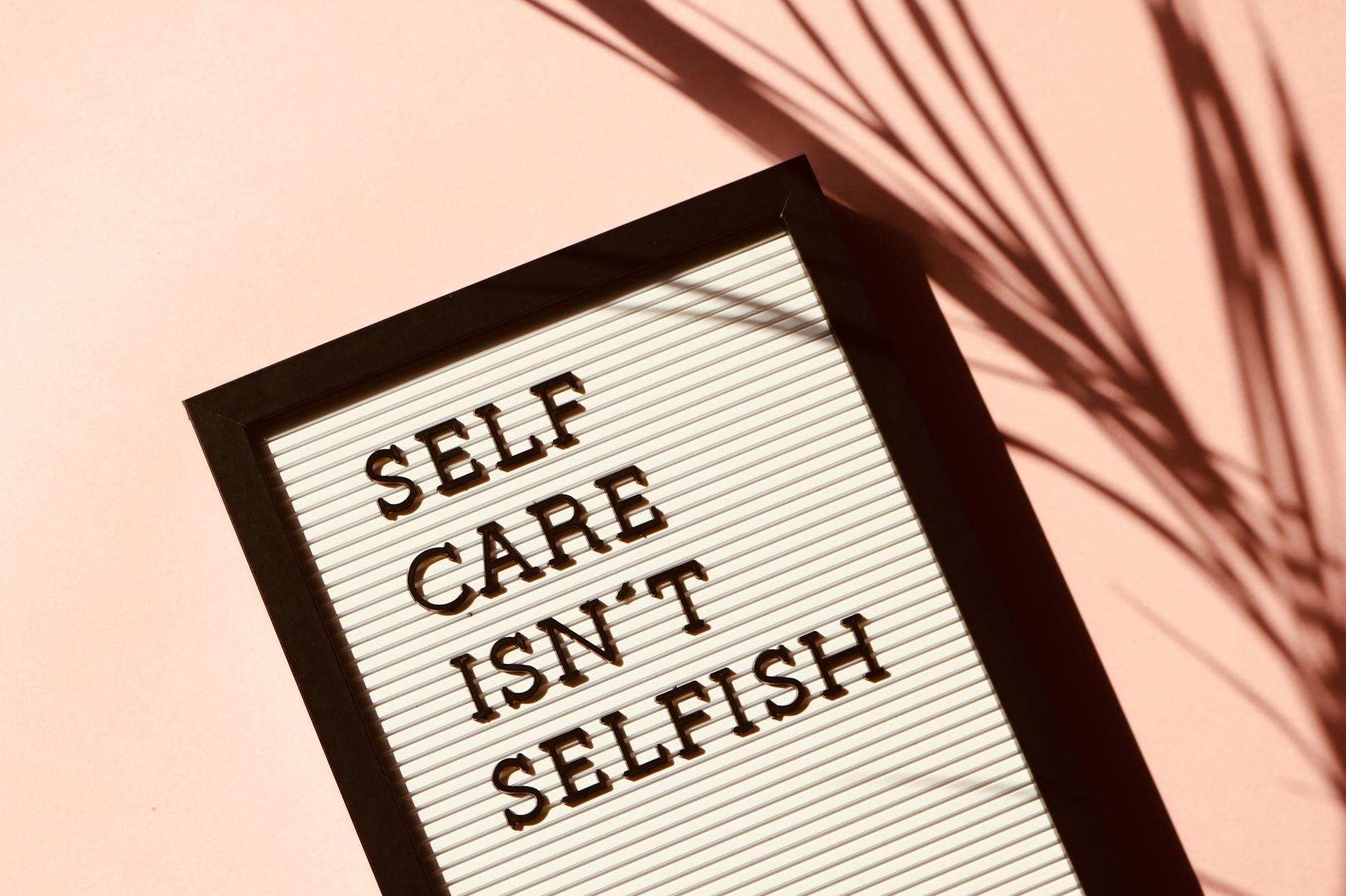
Stress, while unavoidable, doesn’t have to control your life. By prioritizing stress management, you protect your physical health, enhance your mental clarity, and restore emotional balance. Remember, taking care of yourself is not a luxury—it’s a necessity for thriving.
How do you cope with stress? Share your thoughts and tips! 🌟
Would you like me to elaborate further or tailor this blog in any way? Let me know!
Composting is one of the simplest and most effective ways to reduce household waste while enriching your garden with nutrient-rich soil. Fruit and vegetable peels, often discarded as kitchen scraps, are perfect candidates for composting. Here’s a guide to eco-friendly methods to turn your peels into garden gold.
1. Traditional Compost Pile or Bin
Setting up a compost pile in your backyard or using a compost bin is a classic method. Here’s how to do it:
Combine “greens” (like fruit and vegetable peels) with “browns” (like dried leaves or cardboard) in layers.
Keep the pile moist but not soggy and aerate it regularly to encourage decomposition.
Over time, the peels will break down into rich, dark compost.
2. Vermicomposting (Using Worms)
Vermicomposting uses earthworms to break down organic waste into nutrient-packed worm castings. To start:
Get a worm bin and red worms (Eisenia fetida).
Add your peels along with shredded newspaper as bedding material.
The worms will consume the peels and produce compost that’s perfect for plants.
3. Bokashi Composting
Bokashi is a unique composting method that ferments food waste rather than decomposing it:
Use a Bokashi bin and add your fruit and vegetable peels.
Sprinkle Bokashi bran (containing beneficial microbes) over the peels.
After a few weeks, the fermented peels can be buried in the garden to complete the composting process.
4. Blender Composting
For those short on space or time, blender composting is a quick and easy alternative:
Blend fruit and vegetable peels with water to create a slurry.
Pour the mixture directly into your garden soil as a natural fertilizer.
5. Composting in a Community Garden
If you don’t have space for a compost pile, consider participating in a local community garden or composting program. Many communities have drop-off sites where you can deposit your fruit and vegetable peels for composting.
Tips for Successful Composting
Balance Greens and Browns: Ensure a mix of moist, nitrogen-rich “greens” (peels) and dry, carbon-rich “browns” to maintain a healthy compost.
Chop Peels into Smaller Pieces: This accelerates the decomposition process.
Avoid Adding Certain Peels: Citrus peels and onion skins should be added sparingly, as they can deter worms and slow down composting.
Composting your fruit and vegetable peels is a simple, eco-friendly habit that reduces waste and benefits the environment. Whether you opt for traditional methods or modern alternatives, your efforts contribute to a more sustainable planet while enriching your garden with nutrient-dense compost.
Thank you for joining me in exploring these eco-friendly ways to compost fruit and vegetable peels. By making small changes like composting, we can significantly reduce waste and contribute to a healthier planet. Whether you’re a seasoned composter or just starting out, every effort counts in creating a sustainable future.
What are your favorite composting methods? Share your thoughts in the comments, and don’t forget to like and share this blog to inspire others to embark on their own composting journey. Together, we can make a difference, one peel at a time! 🌍🌱
In the world of skincare, rice masks have quietly earned their place as a timeless, effective, and affordable treatment. These masks are simple yet powerful, making them a must-try for anyone seeking a healthy glow. Let’s delve into their benefits:
1. Rich in Nutrients
Rice is packed with vitamins and minerals that nourish your skin. It contains B vitamins, which help improve skin elasticity and stimulate cell regeneration, leaving your skin soft and rejuvenated.
2. Brightening Effect
If you’re looking for radiant, even-toned skin, rice masks might be your answer. Rice water is rich in ferulic acid and allantoin, both of which can help lighten hyperpigmentation and give your complexion a brightened appearance.
3. Anti-Aging Properties
The antioxidants in rice water combat free radicals that accelerate aging. Regular use of rice masks can minimize the appearance of fine lines and wrinkles, keeping your skin youthful and firm.
4. Soothing for Sensitive Skin
Rice masks have calming properties that reduce redness and irritation, making them ideal for sensitive skin. The natural starch in rice provides a cooling effect that can ease discomfort and inflammation.
5. Gentle Exfoliation
Rice masks gently exfoliate the skin, removing dead cells without being abrasive. This leads to smoother, cleaner, and more hydrated skin.
DIY Rice Mask Recipe
Creating your own rice mask is simple! Here’s an easy recipe:
Rinse 1 cup of rice to remove impurities.
Soak the rice in 2 cups of water for 30 minutes.
Strain the water into a container, preserving it for use.
Grind the soaked rice into a paste using a blender or mortar.
Mix the paste with honey or yogurt for added benefits.
You could also use what I use which is the rice papers, I cut them to my measurements of forehead, cheeks, chin, and nose. Hope this helps!
Apply to your face and leave for 15–20 minutes, then rinse off with lukewarm water.
Rice masks are truly a skincare gem, offering both immediate and long-term benefits. Their natural composition ensures that you’re treating your skin to something safe, effective, and gentle. Whether you make them yourself or buy ready-made versions, rice masks are a wonderful way to pamper your skin and enjoy its glow-enhancing powers.
Have you tried rice masks before? Let me know how they work for you! 🌾✨
It’s 2025, and the world of dating is shifting yet again. Amid the swipe-driven culture of modern apps, many singles are craving a return to something more authentic—a place where connections are built on shared experiences and real conversations.
Enter Facebook. While it may not seem like the obvious choice for romance, the social media giant has quietly found its way back into the dating game. Its user-friendly interface, focus on shared interests, and ability to see deeper insights into someone’s life have made it a surprisingly effective tool for forging genuine bonds.
Unlike traditional dating apps, Facebook lets users go beyond photos and quick bios. You can explore mutual friends, shared communities, and even past interactions. This transparency fosters a sense of trust that’s often missing from dating apps, and people are noticing. Singles are using Facebook groups, events, and even its dating feature to find like-minded partners who value long-term compatibility.
It’s a fascinating trend that reflects a broader shift in modern dating. In a world that’s often fast-paced and superficial, singles in 2025 are seeking intentional connections, prioritizing values, and embracing platforms that allow for meaningful communication.
Could Facebook be the new frontier for love? Only time will tell.
Silymarin, a powerful compound extracted from the seeds of the milk thistle plant (Silybum marianum), has been celebrated for its health benefits for centuries. Modern science has delved deeper into its properties, revealing its potential to support liver health, combat oxidative stress, and more. Let’s explore the benefits of silymarin, backed by research, and where you can find this remarkable compound.
1. Liver Health and Detoxification
Silymarin is best known for its liver-protective properties. Studies suggest that it helps regenerate liver cells, reduces inflammation, and protects against toxins. It has shown promise in managing conditions like non-alcoholic fatty liver disease (NAFLD) and cirrhosis. By neutralizing free radicals and enhancing glutathione production, silymarin supports the liver’s detoxification processes.
2. Antioxidant and Anti-Inflammatory Effects
Silymarin is rich in flavonolignans, which are potent antioxidants. These compounds help combat oxidative stress, a key factor in aging and chronic diseases. Its anti-inflammatory properties also make it beneficial for reducing inflammation in the body, which is linked to various health conditions.
3. Potential Benefits for Diabetes
Preliminary research indicates that silymarin may help improve blood sugar control and insulin resistance in people with type 2 diabetes. While more studies are needed, these findings highlight its potential as a complementary therapy.
4. Skin Health
Silymarin’s antioxidant properties extend to skin health, where it may help protect against UV damage and promote a youthful complexion. Its ability to reduce inflammation can also benefit those with skin conditions like acne or eczema.
Where to Find Silymarin
Milk Thistle Supplements: Silymarin is most commonly found in milk thistle supplements, available in capsule, tablet, or liquid extract forms. Look for products standardized to contain a high percentage of silymarin for maximum efficacy.
Milk Thistle Seeds: For a more natural approach, you can consume milk thistle seeds directly. They can be ground into a powder and added to smoothies, teas, or meals.
Health Stores and Online Retailers: Silymarin supplements are widely available in health food stores and online platforms like Amazon and other reputable retailers.
Foods Supporting Liver Health: While milk thistle is the primary source of silymarin, incorporating liver-friendly foods like artichokes, dandelion greens, and turmeric into your diet can complement its benefits.
A Word of Caution
While silymarin is generally well-tolerated, it’s essential to consult with a healthcare provider before starting any new supplement, especially if you’re pregnant, breastfeeding, or taking medications. Quality matters, so choose products from trusted brands to ensure safety and efficacy.
Silymarin is a natural powerhouse with a range of health benefits, particularly for liver health and beyond. Whether you opt for supplements or natural sources, incorporating silymarin into your wellness routine could be a step toward better health. Have you tried silymarin? Share your experiences and let us know how it has worked for you! 🌿✨
Standing tall in New York Harbor, the Statue of Liberty is one of the most iconic symbols of freedom and democracy. But did you know that this colossal monument was a gift from France to the United States? The story of how Paris gave New York the Statue of Liberty is a tale of friendship, shared ideals, and remarkable craftsmanship.
The Vision Behind the Gift
The idea for the Statue of Liberty originated in 1865 with Édouard de Laboulaye, a French historian and abolitionist. Laboulaye envisioned the statue as a gift to commemorate the centennial of the United States’ Declaration of Independence in 1876. He also wanted to celebrate the enduring friendship between France and the U.S., as well as the shared values of liberty and democracy.
Laboulaye enlisted the help of French sculptor Frédéric Auguste Bartholdi to bring this vision to life. Bartholdi designed the statue, officially named “Liberty Enlightening the World,” as a towering figure of a woman holding a torch in one hand and a tablet inscribed with the date of American independence, July 4, 1776, in the other.
Building the Statue
Constructing the Statue of Liberty was no small feat. Bartholdi collaborated with engineer Gustave Eiffel, who later became famous for the Eiffel Tower, to design the statue’s internal framework. The statue was made of copper sheets hammered into shape and supported by an iron skeleton.
While France took on the responsibility of building the statue, the United States was tasked with constructing its pedestal. Fundraising efforts on both sides of the Atlantic were extensive. In France, public donations, lotteries, and events helped finance the project. In the U.S., newspaper publisher Joseph Pulitzer launched a campaign to encourage Americans to contribute, promising to print the names of all donors in his newspaper.
The Journey to America
The completed statue was disassembled into 350 pieces and packed into crates for its journey across the Atlantic. It arrived in New York Harbor in June 1885 aboard the French frigate Isère. Over the next year, the statue was reassembled on its pedestal on Liberty Island (then known as Bedloe’s Island).
On October 28, 1886, the Statue of Liberty was officially unveiled in a grand ceremony attended by thousands. It quickly became a symbol of hope and freedom, welcoming immigrants arriving in the United States by sea.
A Lasting Legacy
Today, the Statue of Liberty stands as a testament to the enduring bond between France and the United States. It represents not only the ideals of liberty and democracy but also the power of collaboration and shared vision.
As you admire Lady Liberty, remember the incredible journey that brought her to New York and the spirit of friendship that she embodies. She is more than just a statue; she is a beacon of hope and a reminder of the values that unite us all.
Dating over the age of 30 comes with its own set of challenges and learning opportunities. While it’s a chance to approach relationships with more wisdom and self-awareness, certain common pitfalls can sometimes hinder the journey to finding love. Here are 10 mistakes women often make when dating in their 30s and beyond, along with tips on how to navigate them:
1. Settling Due to Fear of Time Running Out
The societal pressure of settling down can lead to rushing into relationships that don’t feel right. Instead, focus on finding someone who aligns with your values and goals, regardless of timelines.
2. Overanalyzing Past Relationships
Dwelling on past mistakes or comparing new relationships to old ones can create emotional barriers. Embrace each experience as a fresh opportunity, leaving old baggage behind.
3. Ignoring Red Flags
Sometimes, the desire to make things work can lead to overlooking red flags. Trust your instincts, and remember that early warning signs often matter in the long run.
4. Focusing Too Much on Checklists
While having standards is essential, being overly rigid with lists of “must-haves” can cause you to miss out on genuine connections. Stay open to people who may surprise you in unexpected ways.
5. Giving the Goods on Day 1
Physical attraction is important, but shared values, goals, and lifestyles play a significant role in long-term happiness. Take time to assess compatibility on deeper levels, not sexually at first. Give time to get to know one another, be friends first for a few months atleast!
6. Comparing Yourself to Others
Constantly measuring your relationship status against friends or societal norms can lead to unnecessary stress. Focus on your own journey and what makes you truly happy.
7. Failing to Communicate Needs
Fear of coming across as too demanding often leads to avoiding meaningful conversations. Being upfront about your needs and expectations is key to building a healthy relationship.
8. Rushing Through Stages of a Relationship
Sometimes the desire for stability leads to rushing into labels, commitments, or even marriage. Allow relationships to develop naturally and enjoy the process.
9. Letting Self-Doubt Affect Dating Choices
Doubting your worth can lead to settling for less or hesitating to pursue great connections. Build self-confidence by appreciating your unique qualities and strengths.
10. Forgetting to Enjoy the Journey
Dating can feel like a chore when the focus is only on the destination. Shift your mindset to see dating as an exciting part of your life story.
Approaching dating with self-awareness, openness, and a sense of adventure can make all the difference. Remember, there’s no right or wrong timeline in love—what matters is finding the right person for you, at the right time. So enjoy the process, learn from every experience, and trust that your journey will unfold beautifully.
What do you think? Have you experienced any of these challenges, or do you have additional insights to share? Let’s spark a conversation!
As the flowers bloom and the days grow longer, it’s the perfect time to refresh your space with a good spring cleaning. This year, why not make your cleaning routine more sustainable and earth-friendly? Here are five eco-friendly hacks to help you tidy up while protecting the planet.
Say goodbye to harsh chemicals and create your own natural cleaners using simple ingredients from your pantry. For an all-purpose cleaner, mix equal parts white vinegar and water, and add a few drops of essential oil for a pleasant scent. Baking soda works wonders as a gentle scrub for tough stains, and lemon juice can cut through grease and brighten surfaces.
2. Repurpose Old Items for Cleaning
Instead of buying disposable cleaning supplies, repurpose items you already have. Turn old T-shirts or towels into reusable cleaning rags. Use an old toothbrush to scrub grout or tricky corners. Even newspaper can be repurposed for streak-free window cleaning!
3. Declutter Responsibly
When decluttering your home, avoid sending everything to the landfill. Donate gently used clothes, books, and household items to local charities or thrift stores. Recycle items like electronics and batteries at designated facilities. For items that can’t be donated or recycled, get creative with upcycling projects to give them a new life.
4. Use Reusable Tools and Supplies
Opt for reusable alternatives to reduce waste. Microfiber cloths can replace paper towels for most cleaning tasks. A washable mop or broom can handle floors effectively without creating additional waste. By switching to reusable tools, you’ll save money and help the environment.
5. Air Out and Freshen Naturally
Skip the artificial air fresheners and let fresh air do the work. Open your windows to ventilate your space and bring in the natural scents of spring. You can also simmer a pot of water with cinnamon sticks, orange peels, or herbs like rosemary for a delightful, natural aroma.
Here are some additional natural ingredients that work wonders for cleaning:
Hydrogen Peroxide: A great disinfectant that can be used to clean countertops, cutting boards, and even grout.
Castile Soap: A plant-based, biodegradable soap that’s gentle yet effective for cleaning surfaces, dishes, and even floors.
Olive Oil: Perfect for polishing wood furniture and conditioning leather surfaces.
Salt: A natural abrasive that’s excellent for scrubbing pots, pans, and stubborn stains.
Cornstarch: Useful for cleaning windows and polishing furniture or silverware.
By incorporating these eco-friendly hacks into your spring cleaning routine, you’ll not only create a cleaner home but also contribute to a healthier planet. So grab your cleaning supplies, roll up your sleeves, and make this spring a season of renewal for both your home and the environment!
Do you have any favorite eco-friendly cleaning tips? Share them below, and let’s inspire each other to clean green! 🌱
For many men, anabolic steroids can seem like a shortcut to achieving a muscular physique and enhanced athletic performance. However, the misuse of steroids, especially without adequate post-cycle therapy (PCT), can lead to a host of unwanted side effects. Among these is gynecomastia, a condition marked by the growth of breast tissue in males, often colloquially referred to as “man boobs.”
What Causes Gynecomastia?
Gynecomastia occurs due to a hormonal imbalance in the body. Anabolic steroids mimic testosterone, the male sex hormone. While this can promote muscle growth during a steroid cycle, the body recognizes an excess of testosterone and responds by converting some of it into estrogen, the primary female sex hormone, through a process called aromatization.
When men stop using steroids and fail to address their elevated estrogen levels, the hormonal imbalance persists. This can lead to the proliferation of breast tissue, resulting in gynecomastia. The condition is not merely cosmetic—it can be painful and may require surgical intervention in severe cases.
Why Post-Cycle Therapy Matters
Proper PCT is crucial for restoring natural hormone levels after a steroid cycle. PCT protocols often include medications like aromatase inhibitors (AIs), which block the conversion of testosterone to estrogen, or selective estrogen receptor modulators (SERMs), which prevent estrogen from acting on breast tissue. Without PCT, men are essentially leaving their bodies to cope with a surge of estrogen on their own, increasing the risk of gynecomastia.
Scientific Evidence
A study published in the Journal of Clinical Endocrinology and Metabolism highlighted the link between steroid use and gynecomastia. The study found that men using anabolic steroids had significantly higher levels of estradiol (a form of estrogen) compared to non-users. The researchers emphasized the importance of managing hormone levels to mitigate side effects like gynecomastia.
Additionally, the International Journal of Sports Medicine reported cases of severe gynecomastia in bodybuilders who neglected PCT. The authors noted that the condition often required surgical removal of breast tissue, a costly and invasive procedure.
Case Study 1: Mike’s Quest for Quick Gains
Mike, a 28-year-old recreational bodybuilder, started using anabolic steroids to accelerate his muscle growth before a regional bodybuilding competition. Over a 12-week cycle, he gained 15 pounds of lean muscle and enjoyed the strength increase he had always dreamed of. However, after completing his cycle, Mike decided to skip post-cycle therapy (PCT), believing his body would naturally readjust.
Three months later, Mike noticed tenderness and swelling in his chest. At first, he attributed the changes to residual muscle growth, but when a firm lump developed under one nipple, he became concerned. His doctor diagnosed him with gynecomastia, confirming that the condition was caused by an imbalance between testosterone and estrogen—his testosterone levels had plummeted post-cycle, while estrogen levels remained high due to aromatization.
Treatment involved a combination of selective estrogen receptor modulators (SERMs) to manage the breast tissue growth and lifestyle changes to reduce estrogen production. While the medication helped somewhat, Mike ultimately required surgical intervention to remove the tissue.
Key Takeaway: Mike’s case emphasizes the importance of PCT in regulating hormones after steroid use. Ignoring this step can lead to significant hormonal imbalances and the development of gynecomastia.
Case Study 2: Jason’s Struggle with Long-Term Steroid Use
Jason, a 35-year-old fitness enthusiast, had been using anabolic steroids intermittently for nearly a decade. While he religiously followed PCT after each cycle, he noticed recurring symptoms of gynecomastia—mild tenderness and slight enlargement of breast tissue—during his off-cycle periods.
Upon seeking medical advice, Jason learned that chronic steroid use had disrupted his hypothalamic-pituitary-gonadal axis. This disruption caused fluctuations in his testosterone and estrogen levels, leaving him vulnerable to recurring gynecomastia symptoms even during off-cycles. The hormonal imbalance also affected other aspects of Jason’s health, including mood swings and reduced libido.
Jason’s treatment plan included long-term use of aromatase inhibitors to control estrogen levels and a gradual tapering off of steroids under medical supervision. While his gynecomastia did not progress to the point of requiring surgery, Jason expressed regret over the years of hormonal turbulence he endured.
Key Takeaway: Even when PCT is implemented, long-term steroid use can have lasting impacts on the body’s hormonal regulation. It’s crucial to weigh the risks before engaging in sustained steroid use.
The Takeaway
While anabolic steroids may offer short-term gains, the long-term risks cannot be ignored. Gynecomastia is just one of many potential side effects of steroid misuse, and it underscores the critical importance of post-cycle therapy. For those considering steroids, it’s essential to consult with a medical professional and fully understand the risks involved.
As the saying goes, “With great power comes great responsibility.” The same applies to anabolic steroids—they demand informed and responsible use to avoid irreversible consequences.
✅ Like this post if you care about spreading awareness. 📢 Share this with anyone who needs to know the importance of post-cycle therapy!
In communities across the nation, a unique group of activists has emerged: moms united in the fight against the devastating opioid crisis. With strength, resilience, and an unyielding dedication to their children and communities, these women are driving real change in the face of an epidemic.
The Catalyst for Action
For many of these mothers, their journey begins with a personal tragedy. Some have lost loved ones to overdose, while others have seen firsthand the ravages of addiction. What unites them is a shared commitment to make sure no family has to endure the same heartbreak.
This collective of determined women has taken action, from lobbying lawmakers for stricter regulations to advocating for better access to treatment and recovery resources. Through grassroots efforts, these moms are shining a light on the need for both preventative measures and compassionate care.
Making an Impact
Organizations like Moms Stop the Harm and others have sprung up, focusing on:
Education and Awareness: Hosting community workshops and school events to educate people on the risks of opioids and the dangers of fentanyl.
Advocacy for Policy Change: Pushing for laws that expand access to overdose-reversing drugs like naloxone (Narcan) and support harm reduction strategies.
Support Networks: Offering spaces for parents and families to share their stories, grieve, and heal together.
These efforts are starting to bear fruit. Public awareness about the crisis is growing, and policies are shifting toward more compassionate and effective approaches to addiction treatment.
The Power of a Mother’s Love
What makes this movement so powerful is the deeply personal connection these moms bring to their mission. Their stories resonate with lawmakers, communities, and families alike, fostering a sense of urgency and empathy. Their unrelenting drive serves as a reminder of the incredible strength and influence of a mother’s love.
This grassroots movement is proof that even in the face of overwhelming odds, collective action can lead to meaningful change. These moms are not only standing up for their own families but are creating a ripple effect of hope and healing for countless others.
Have you been inspired by this movement or have a story to share? Let’s keep this important conversation going. Together, we can make a difference.







 Fitness Mom Tips